Consuming high-fiber foods is not merely a healthy suggestion—it is a baseline metabolic necessity. Often casually referred to as roughage or food fiber, dietary fiber acts as an essential mechanical broom for your digestive tract, providing the necessary structural bulk your body needs to function optimally. Despite its profound significance for global health and wellness, modern diets worldwide remain dangerously deficient in this critical nutrient. Integrating fiber-rich options into your daily meals does far more than prevent constipation. You actively stabilize blood sugar, lower LDL cholesterol, balance your gut microbiome, and support sustainable weight management by naturally regulating hunger hormones.
While dietary fiber (spelt as fibre in the UK) is commonly grouped into the category of non-digestible carbohydrates, it also includes crucial non-carbohydrate components like lignin, which provides woody, structural integrity to plant cell walls. Because the human digestive system lacks the enzymes required to break down or absorb these dense materials, they pass through the stomach and intestines relatively intact. Along the way, they physically clean the intestinal walls and provide highly fermentable fuel for the lower gastrointestinal tract.
Crucial Hydration Warning
As you use this guide to increase your daily fiber intake, it is essential to deliberately increase your fluid consumption alongside it. Fiber works by absorbing water; suddenly adding dense amounts of soluble and insoluble roughage to your diet without adequate hydration can actually cause severe bloating, cramping, and paradoxical constipation. Gradually introduce these foods into your routine and aim to drink 8 to 10 glasses of water throughout the day to ensure the fiber passes smoothly and comfortably. This guidance is supported by clinical nutritional standards, which consistently recommend increasing fluid intake alongside fiber to ensure proper gastrointestinal transit and to prevent side effects such as bloating and constipation.
Recommended Daily Fiber Intake
To effectively support your digestive and metabolic health, global health authorities provide the following general daily baselines for dietary fiber:
- Adult Men (19–50 years): 30 to 38 grams per day.
- Adult Women (19–50 years): 25 to 30 grams per day.
- Adults (Over 50 years): 21 grams (women) to 30 grams (men) per day, as caloric needs generally decrease.
- Children (1–18 years): Ranging from 14 grams (toddlers) up to 31 grams (teenagers), largely dependent on age, gender, and total daily caloric intake.
To help you seamlessly integrate this essential nutrient into your daily routine, we have compiled a comprehensive, globally accessible list of 60 power-packed foods. To ensure accuracy across international kitchens, serving sizes are provided in both imperial and metric units.
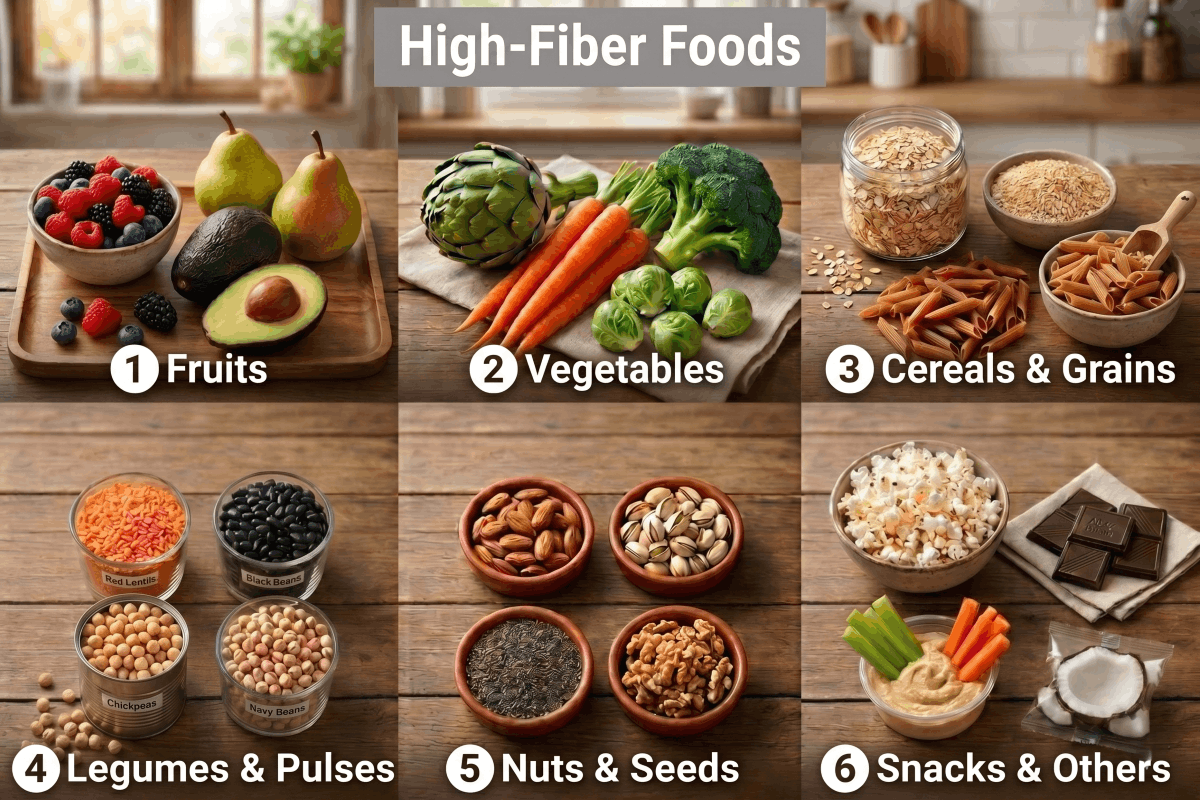
To help you seamlessly integrate this essential nutrient into your daily diet, we have compiled a comprehensive list of 60 power-packed foods with illustrative images, with serving sizes provided in both imperial and metric units. For easy navigation, the list is organized into six categories:
- Fruits: Nature’s sweet, fiber-filled packages.
- Vegetables: Versatile, nutrient-dense options for any meal.
- Cereals and Grains: Hearty staples that form a solid nutritional base.
- Legumes and Pulses: Massive double-duty sources of both fiber and protein.
- Nuts and Seeds: Tiny powerhouses packed with healthy fats and roughage.
- Snacks and Others: Easy, everyday additions to effortlessly boost your daily intake.
[A] High-Fiber Fruits
In this section, you will find a selection of nature’s sweetest offerings, which double as exceptional sources of vital vitamins, protective antioxidants, and digestive-friendly roughage.
Raspberries
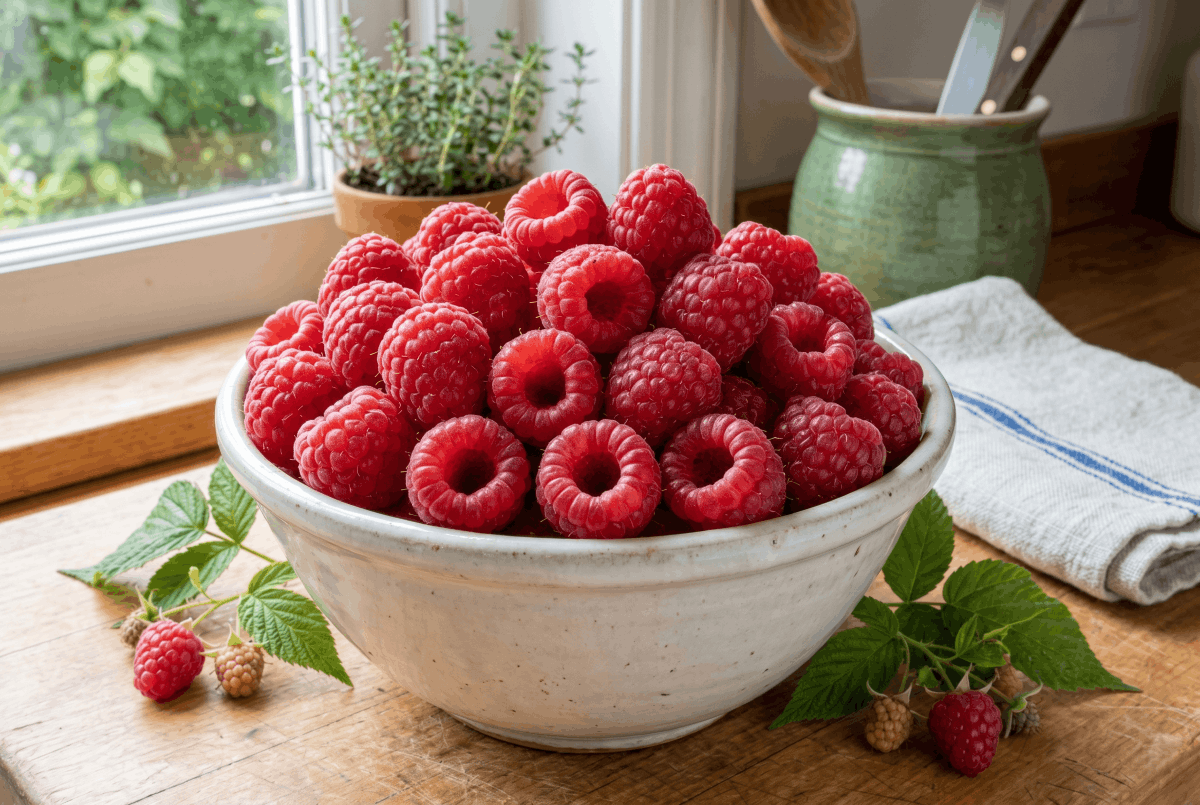
Widely recognized as one of the most fiber-dense fruits available, raspberries pack an astonishing 8.0 grams of fiber per 1-cup (123-gram) serving. This exceptional yield consists of a balanced mix of soluble and insoluble fibers, which slows glucose absorption, provides excellent structural bulk to the stool, and contains powerful antioxidants like quercetin to combat systemic oxidative stress while supporting functional weight management [1].
Blackberries
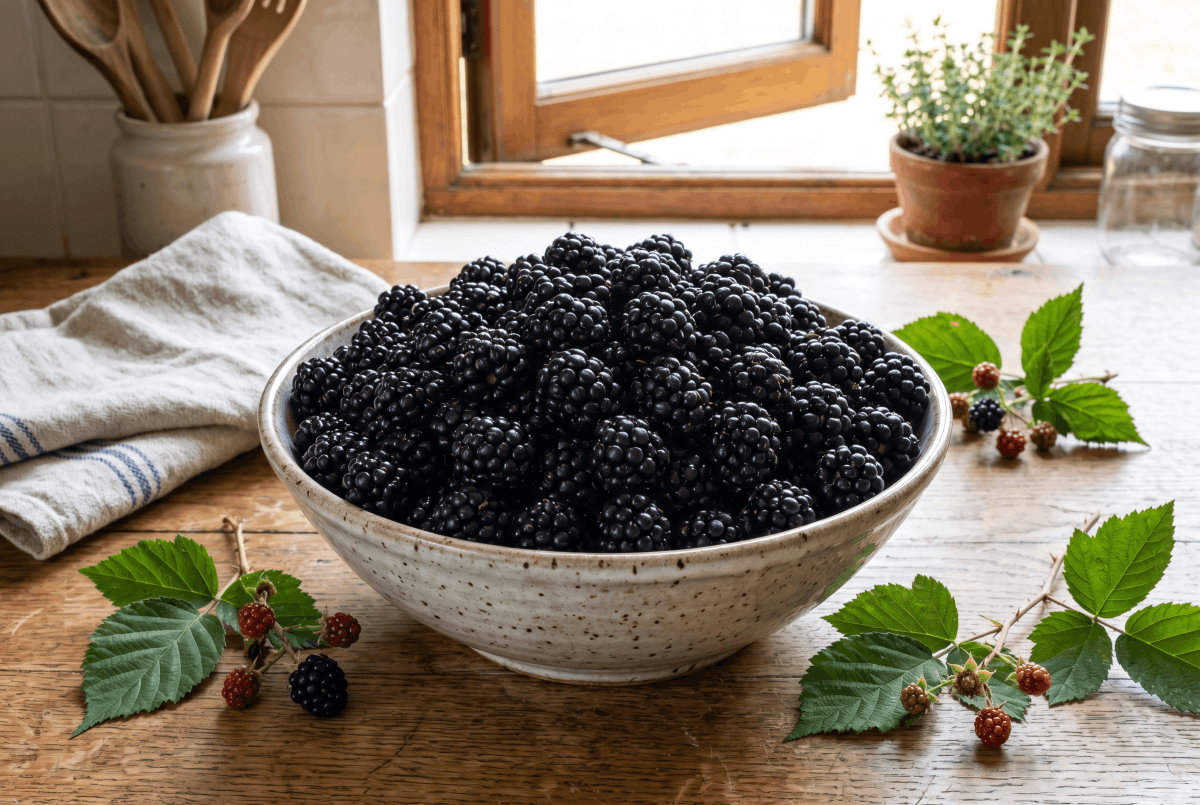
Closely trailing raspberries, blackberries offer a substantial 8.0 grams of fiber per 1-cup (144-gram) serving. They are incredibly rich in insoluble fiber, which adds necessary physical bulk to the stool and serves as a highly effective natural remedy for sluggish digestion and constipation, while their abundant anthocyanins protect cognitive health [1].
Pears (with Skin)
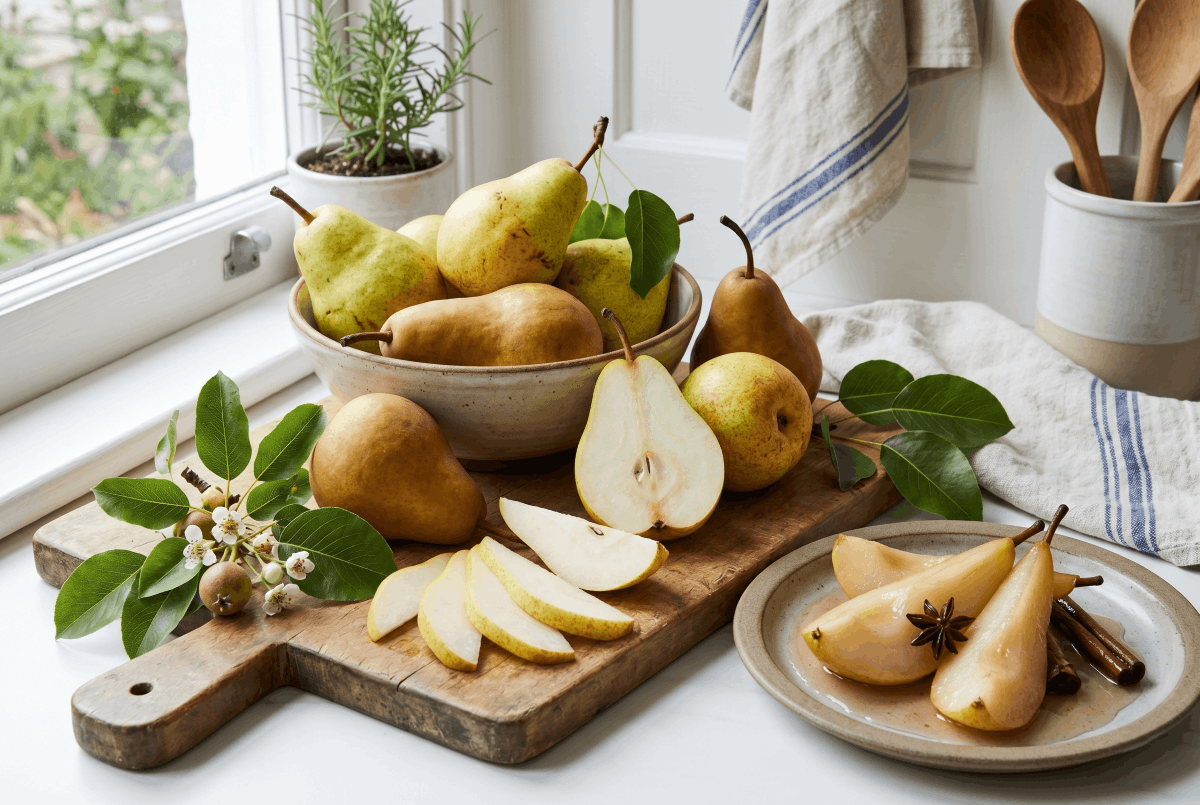
A single 1-medium (178-gram) pear provides roughly 5.5 grams of dietary fiber, provided you consume the fruit with the skin entirely intact, where the vast majority of the insoluble roughage resides. Pears are particularly high in pectin, a type of viscous soluble fiber that forms a gel-like substance in the digestive tract to bind bile acids, effectively lowering blood cholesterol levels for excellent cardiovascular support [1].
Apples (with Skin)
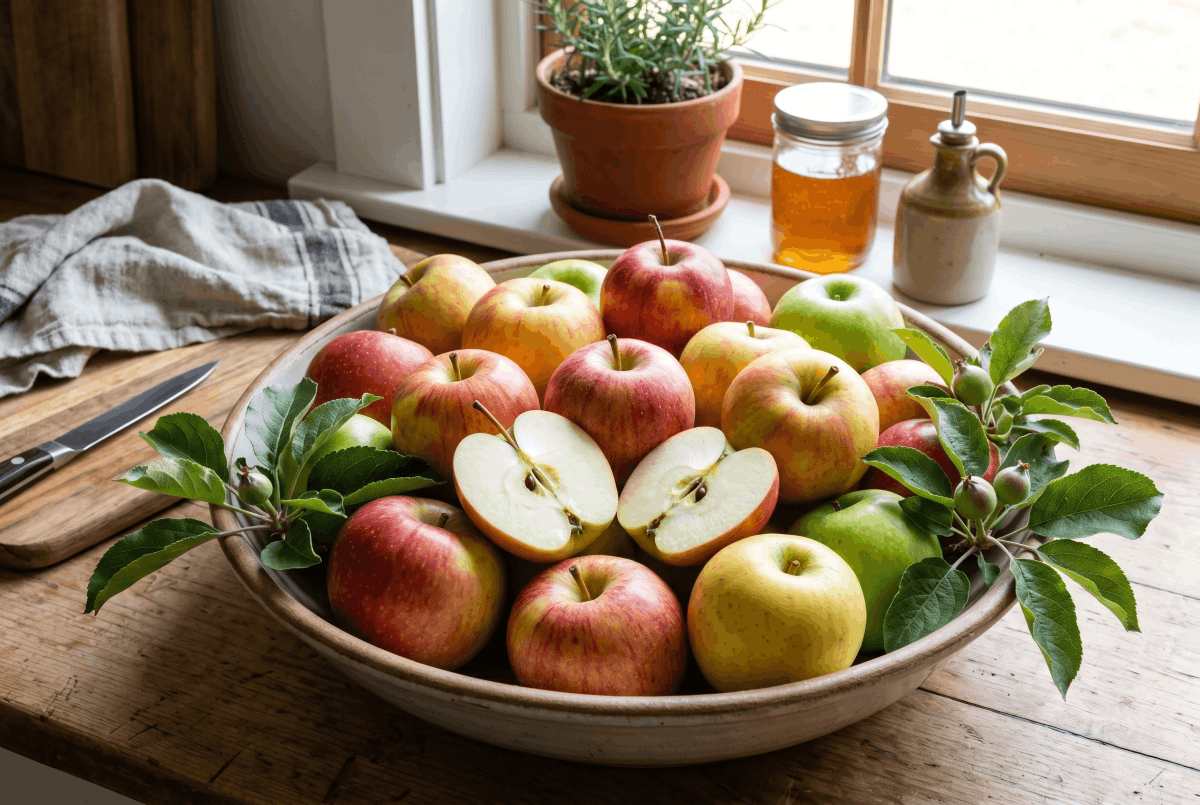
A single 1-medium (182-gram) apple eaten with the skin on contains 4.5 grams of fiber and rich amounts of pectin, which helps slow down gastric emptying to prolong satiety. This specific characteristic makes apples a highly accessible and portable option for blood sugar stabilization and active weight management [1].
Bananas
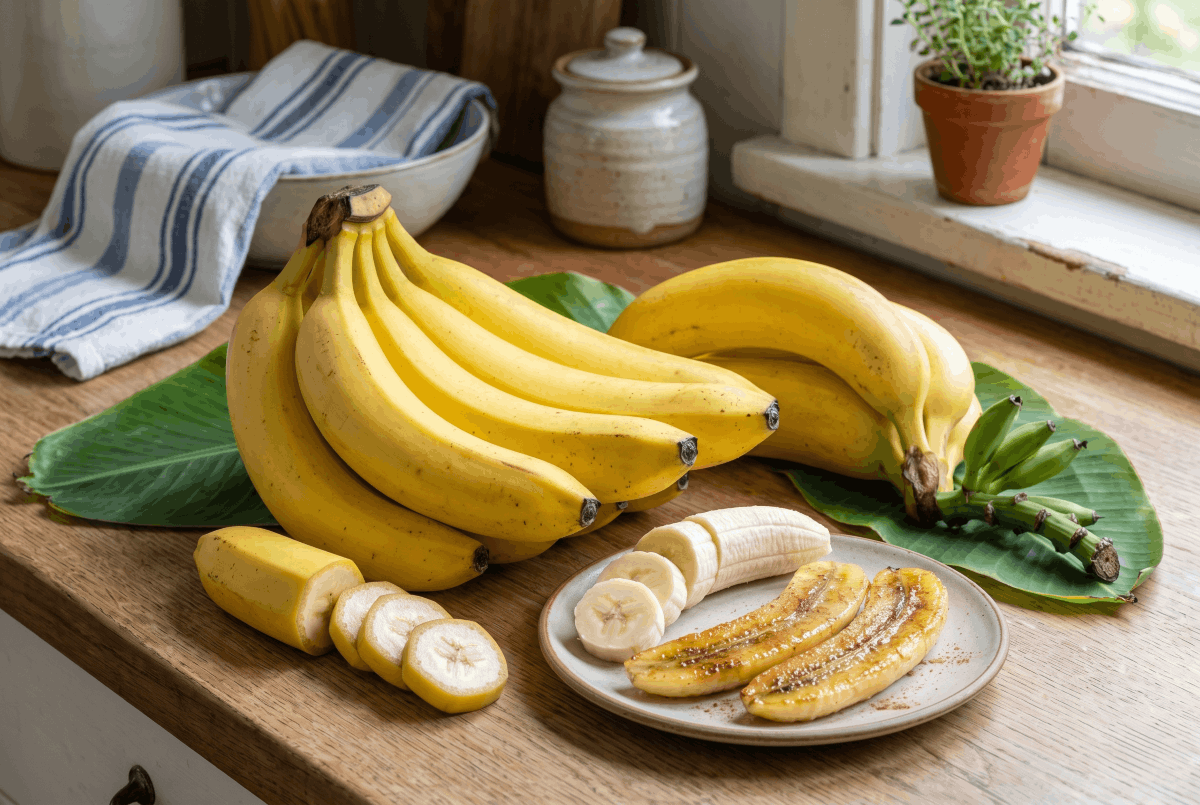
A single 1-medium (118-gram) banana provides 3.0 grams of fiber, supplying essential electrolytes like potassium while offering a reliable, universally available source of daily nutrition. Interestingly, if you consume bananas when they are slightly green, they provide a remarkably high amount of resistant starch, which functions like soluble fiber to improve gut microbiota balance and overall gut health [1].
Oranges

While most individuals associate citrus fruits purely with vitamin C for immune support, a whole 1-medium (140-gram) orange contains a respectable 3.0 grams of fiber, especially within the spongy white pith under the skin, which is exceptionally high in soluble fiber. It is crucial to eat the whole fruit rather than just drinking its juice, as the mechanical juicing process strips away the structural fiber and leaves behind a concentrated, fast-acting sugar spike, making the whole fruit essential for steady energy release [1].
Strawberries

Strawberries are not only delicious but also surprisingly nutrient-dense, offering 3.0 grams of fiber per 1-cup (144-gram) serving while boasting a very low glycemic index, meaning they are highly effective for blood glucose stabilization and will not cause rapid spikes in blood sugar. As a low-calorie option in the berry category, they are perfect for snacking or blending into smoothies without adding excess natural sugars to your daily routine [1].
Guava
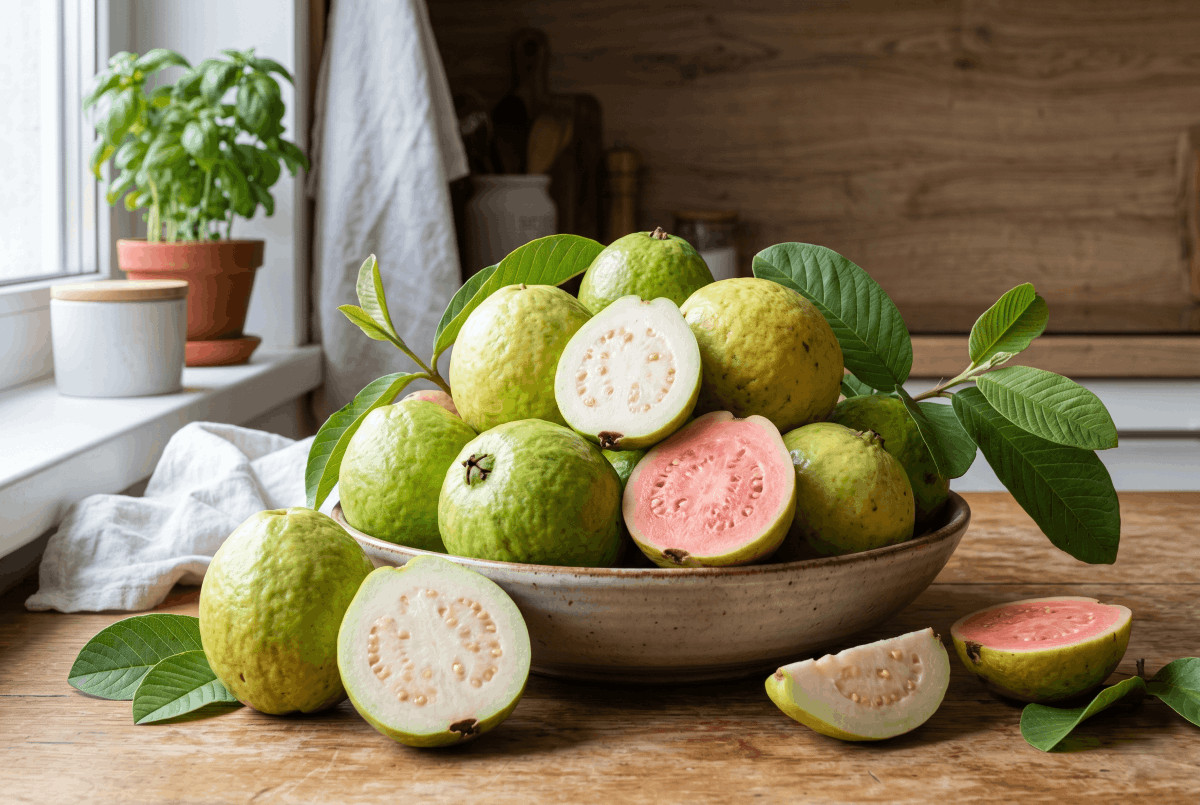
Guava is a tropical heavyweight in terms of functional nutrition, boasting a massive 9.0 grams of fiber per 1-cup (165-gram) serving due to the small, edible seeds within the fruit that heavily improve gastrointestinal motility. Additionally, guava serves as a dual-action superfood for both robust immune support and overall metabolic health, containing more than double the daily recommended intake of vitamin C found in a standard orange [1].
Kiwi
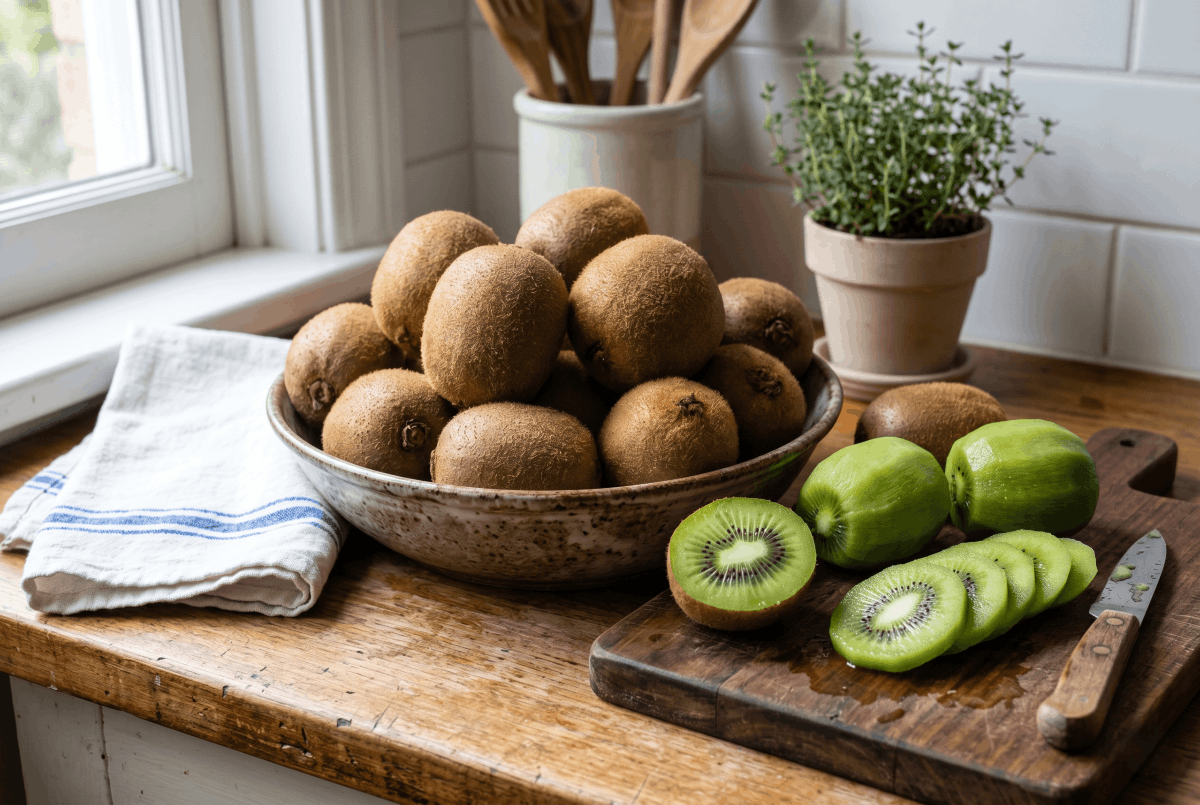
A standard serving of 2-small (150-gram) kiwis provides a solid 4.5 grams of fiber, alongside a unique proteolytic enzyme called actinidin that actively aids in the efficient breakdown of dietary proteins in the stomach. When combined with its high fiber content, kiwi becomes a highly effective, natural tool for alleviating digestive discomfort and stubborn bloating [1].
Avocado
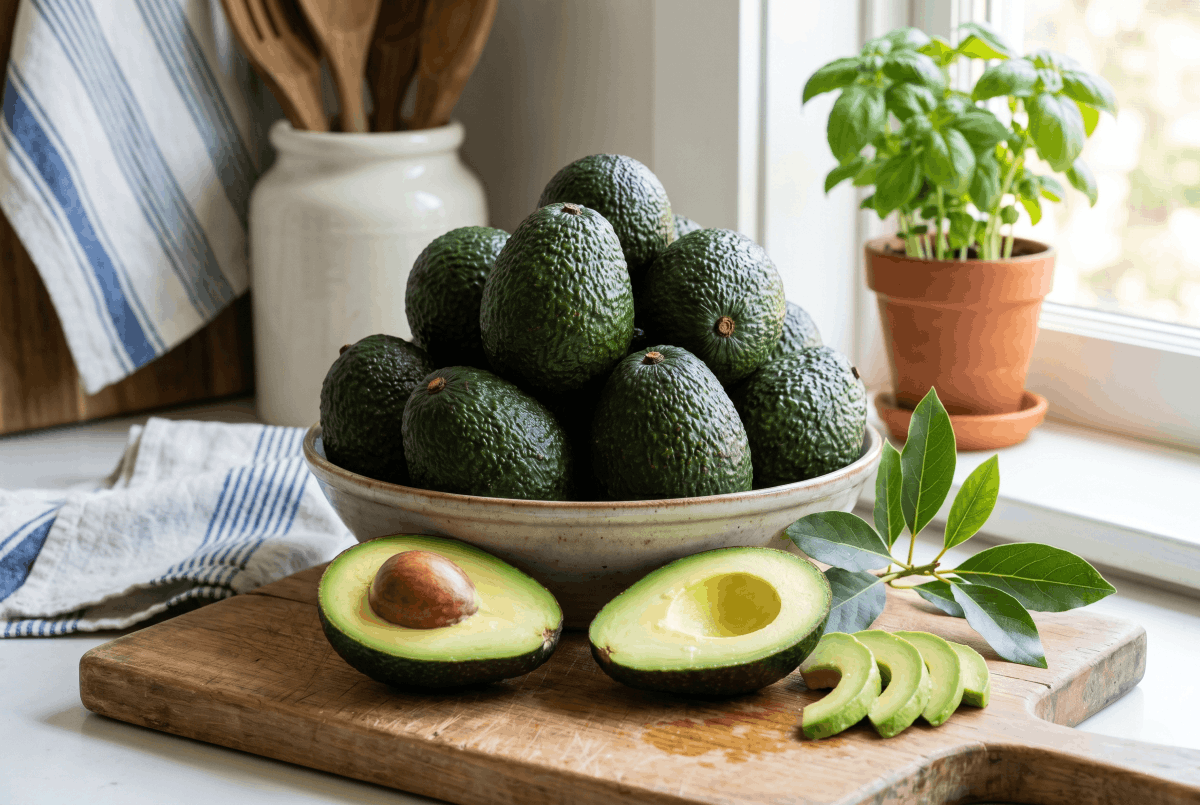
Though often treated culinarily as a savory fat, the avocado is botanically a fruit and a unique source of roughage, with a 1-cup (150-gram) serving of pureed avocado providing an incredible 10.0 grams of fiber. Because it pairs this exceptionally high fiber content with heart-healthy monounsaturated fats, it is highly satiating and supports sustainable energy levels by optimizing insulin sensitivity [1].
Dried Figs
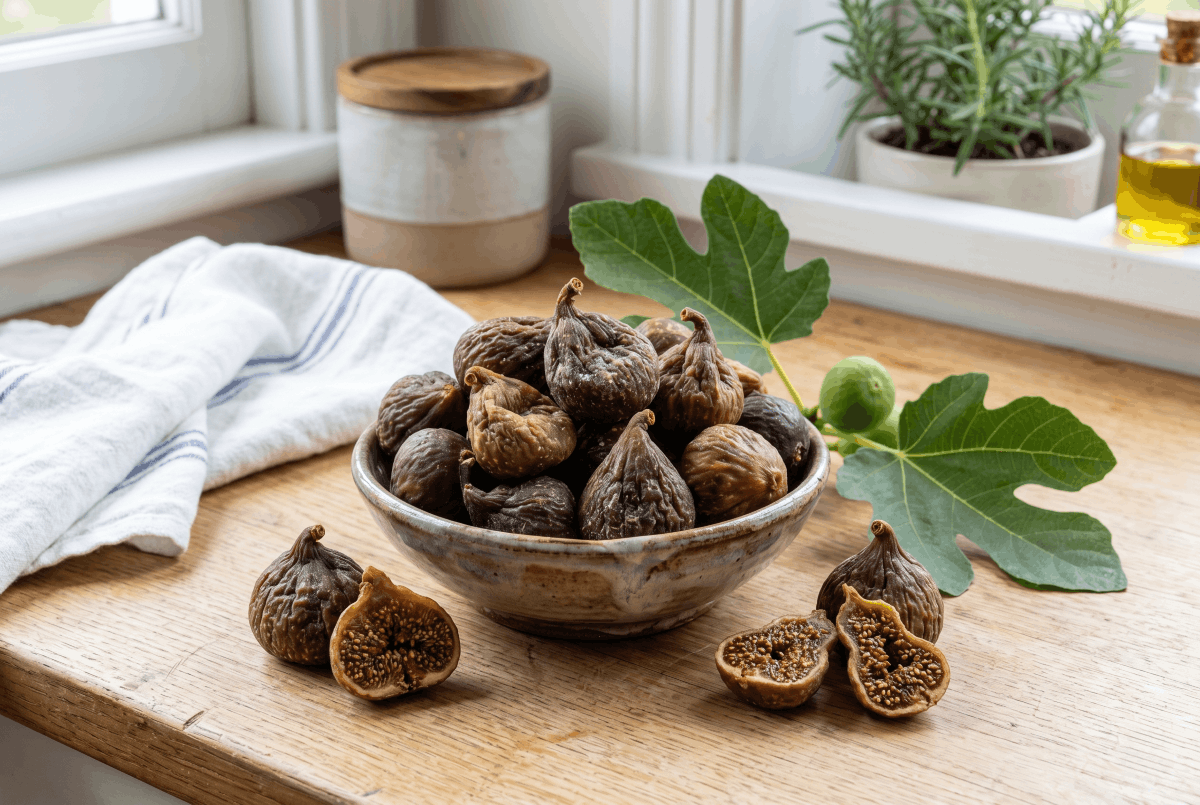
A 1/2-cup (75-gram) serving of dried figs contains roughly 7.3 grams of dietary fiber, making them an excellent concentrated source of both soluble and insoluble roughage. They are exceptionally rich in calcium and magnesium, providing a dense, sweet whole-food option that stabilizes blood sugar far better than processed snacks when eaten in moderation [1].
Prunes (Dried Plums)
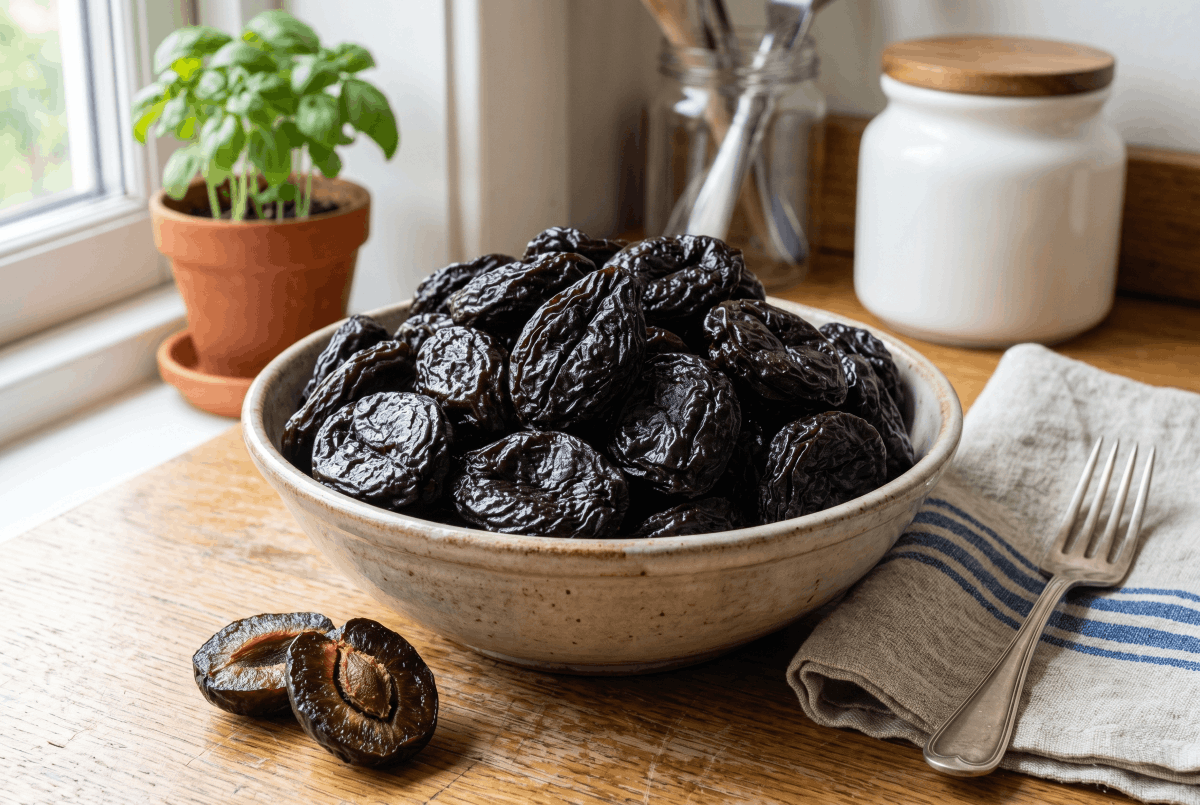
A 1/2-cup (87-gram) serving of prunes contains roughly 6.0 grams of fiber alongside naturally occurring sorbitol, a sugar alcohol with documented osmotic laxative effects. Clinical studies explicitly demonstrate that prunes appear superior to common supplements like psyllium for improving stool frequency and consistency in chronic constipation, making them an excellent functional choice for natural gut motility [1, 3].
[B] High-Fiber Vegetables
The vegetable kingdom offers some of the lowest-calorie, highest-volume options for increasing your daily fiber intake while delivering essential trace minerals and phytonutrients.
Artichokes
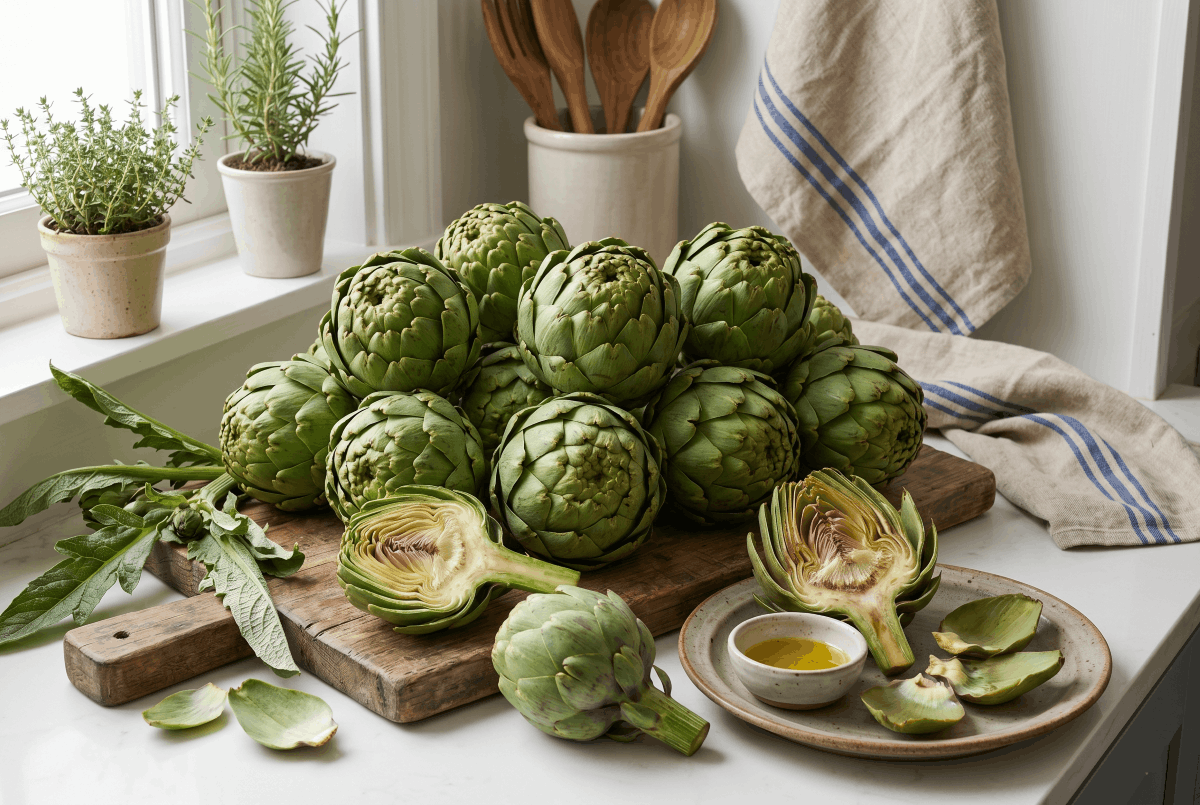
The artichoke stands as one of the most fiber-dense vegetables available on the planet, offering a staggering 7.0 grams of fiber per 1-medium (120-gram) boiled globe. It is particularly rich in inulin, a highly effective prebiotic fiber that selectively feeds the beneficial bacteria in your colon to provide an unmatched boost to your digestive system and gut microbiota balance [1].
Broccoli
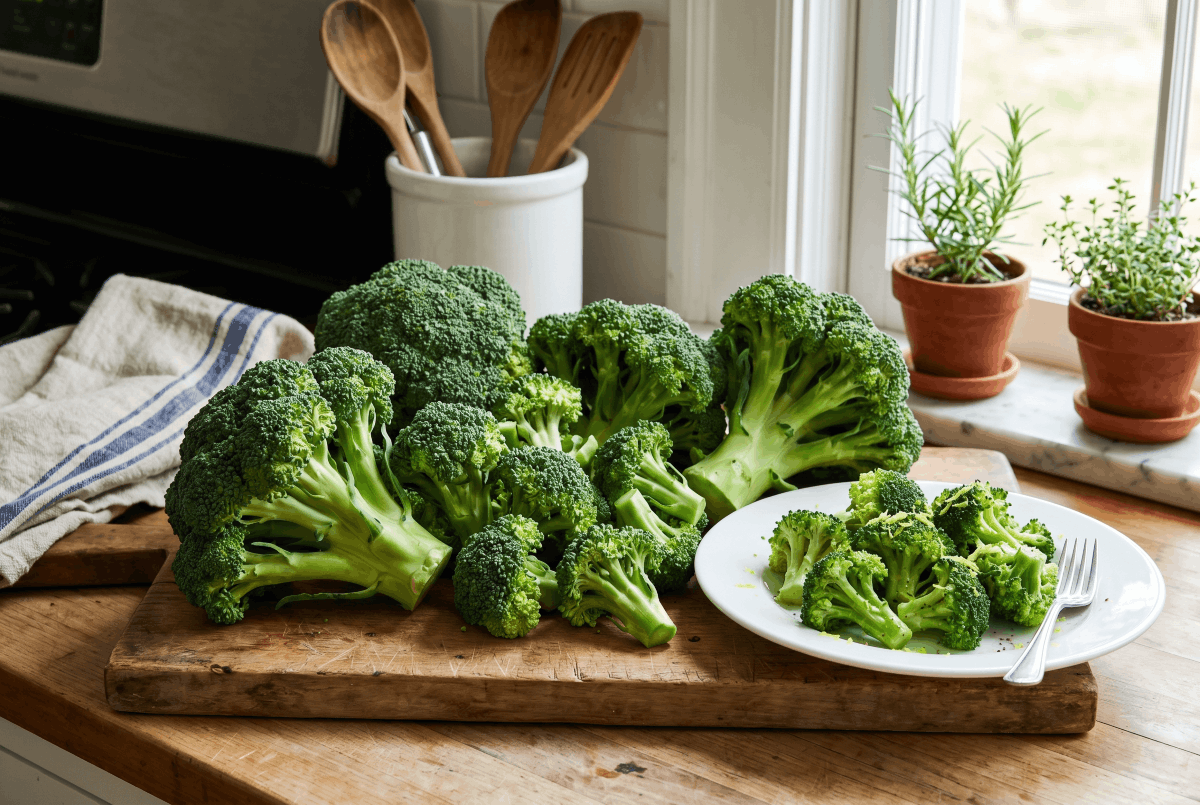
A staple in health-conscious eating, a 1-cup (156-gram) serving of chopped, boiled broccoli provides 5.0 grams of fiber alongside vitamin K, folate, and highly protective plant compounds called glucosinolates. Because it is highly voluminous and very low in overall calories, broccoli is an essential, everyday vegetable for successful cellular protection and weight management [1].
Turnip Greens
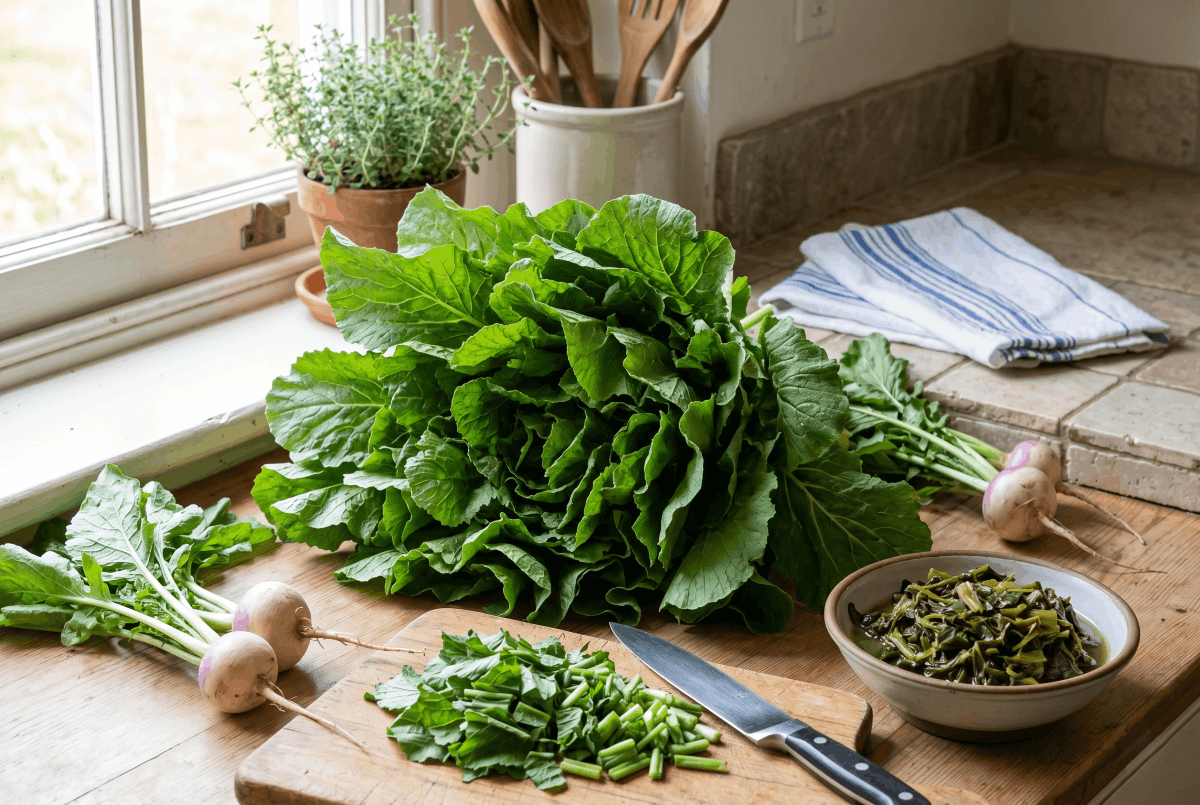
Often overlooked in the modern produce aisle, turnip greens are exceptionally nutrient-dense, with a 1-cup (144-gram) serving of boiled turnip greens delivering 5.0 grams of dietary fiber. Integrating these dark, leafy greens into hearty soups or sautés helps add immense physical volume and structural bulk to your meals while supplying highly bioavailable plant-based calcium for bone density [1].
Brussels Sprouts

These miniature cabbages are legitimate nutritional powerhouses, offering 4.5 grams of fiber per 1-cup (156-gram) serving when boiled. Brussels sprouts provide a hearty, balanced mix of both soluble and insoluble fiber, helping to maintain consistent bowel movements and supporting long-term gut health [1].
Sweet Corn

Sweet corn is a popular, flavor-forward vegetable that delivers a robust 4.0 grams of fiber per 1-cup (157-gram) boiled serving. The tough outer hulls of corn kernels are packed with insoluble cellulose, which provides excellent mechanical bulk to your digestive tract to aid in rapid transit time [1].
White Potatoes (with Skin)

A 1-medium (173-gram) baked white potato with the skin on provides 4.0 grams of fiber, where the vast majority of the healthy roughage is concentrated. When cooled after cooking, white potatoes develop resistant starch, which actively benefits and feeds your lower-gut microbiome by escaping digestion in the small intestine [1].
Sweet Potatoes (with Skin)

A 1-medium (150-gram) baked sweet potato with the skin on offers 4.0 grams of dietary fiber while delivering a massive dose of beta-carotene for vision health. The soluble fiber within sweet potatoes helps slow down the absorption of carbohydrates, making them an excellent choice for keeping blood sugar levels steady [1].
Carrots

A single 1-medium (61-gram) raw carrot contains 1.5 grams of fiber, while a larger 1-cup chopped serving provides roughly 4.0 grams of roughage rich in beta-carotene. Their satisfying, structural crunch combined with their solid fiber content helps effectively signal fullness to the brain long before you overeat, aiding directly in appetite control and weight management [1].
Beets
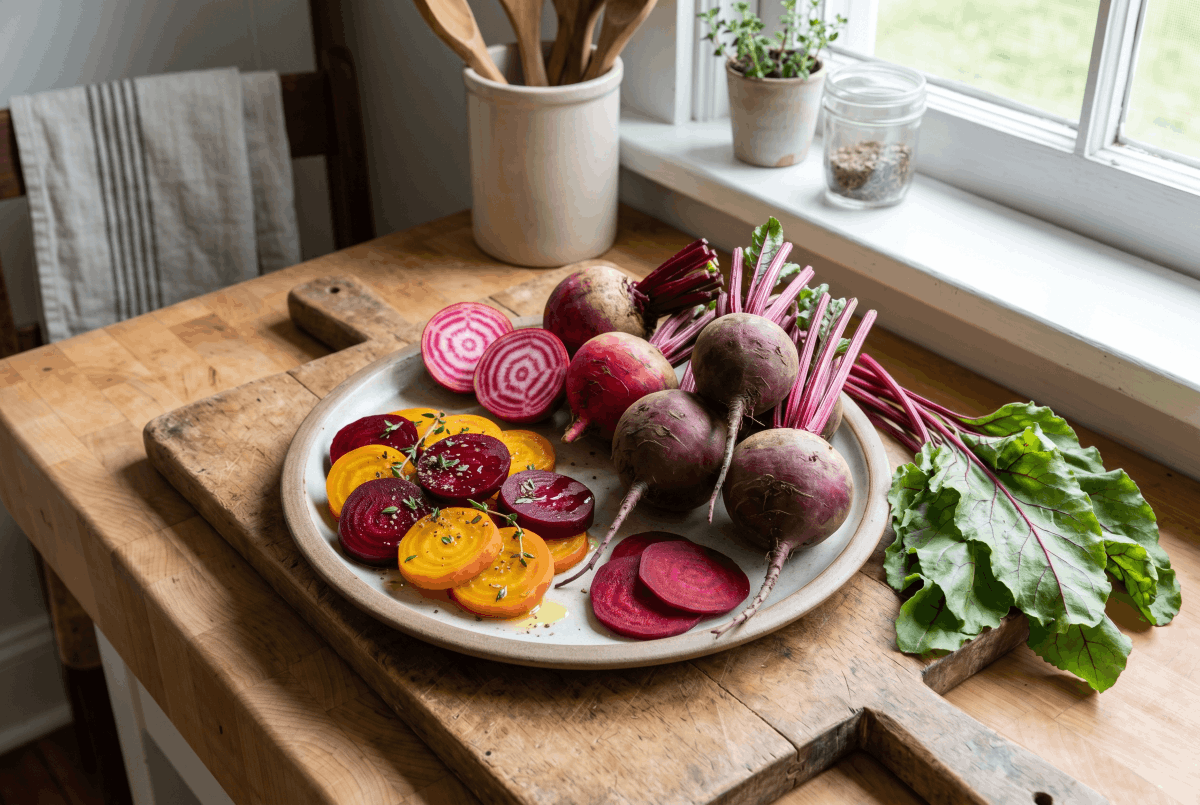
Beets are an incredible, earth-toned root vegetable, providing about 4.0 grams of fiber per 1-cup (136-gram) serving. They are uniquely rich in inorganic nitrates, which have been scientifically shown to support cardiovascular health by improving blood flow and naturally reducing arterial pressure while promoting regular, healthy digestion [1].
Kale
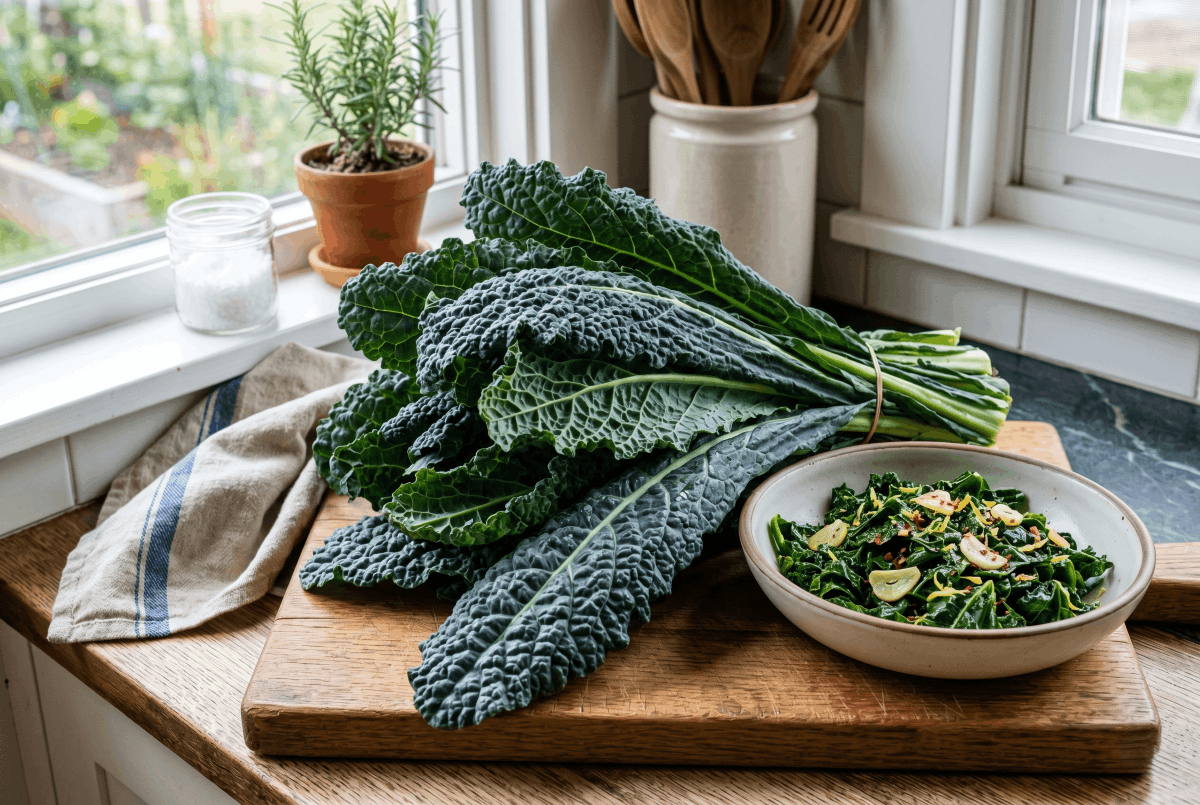
Kale is a rugged, dark leafy green that provides roughly 4.0 grams of fiber per 1-cup (130-gram) cooked serving. Lightly steaming or massaging it helps break down the tough, fibrous cell walls, making it much easier to properly digest while preserving its role as an excellent, high-volume, low-calorie food for sustained fat loss [1].
Swiss Chard

Though often overshadowed by kale and spinach, Swiss chard is a tender, highly nutritious leafy green that delivers nearly 4.0 grams of fiber per 1-cup (175-gram) cooked serving. It is particularly rich in magnesium, a vital mineral crucial for optimal muscle and nerve function, and wilts beautifully into hearty soups and stews [1].
Green Peas
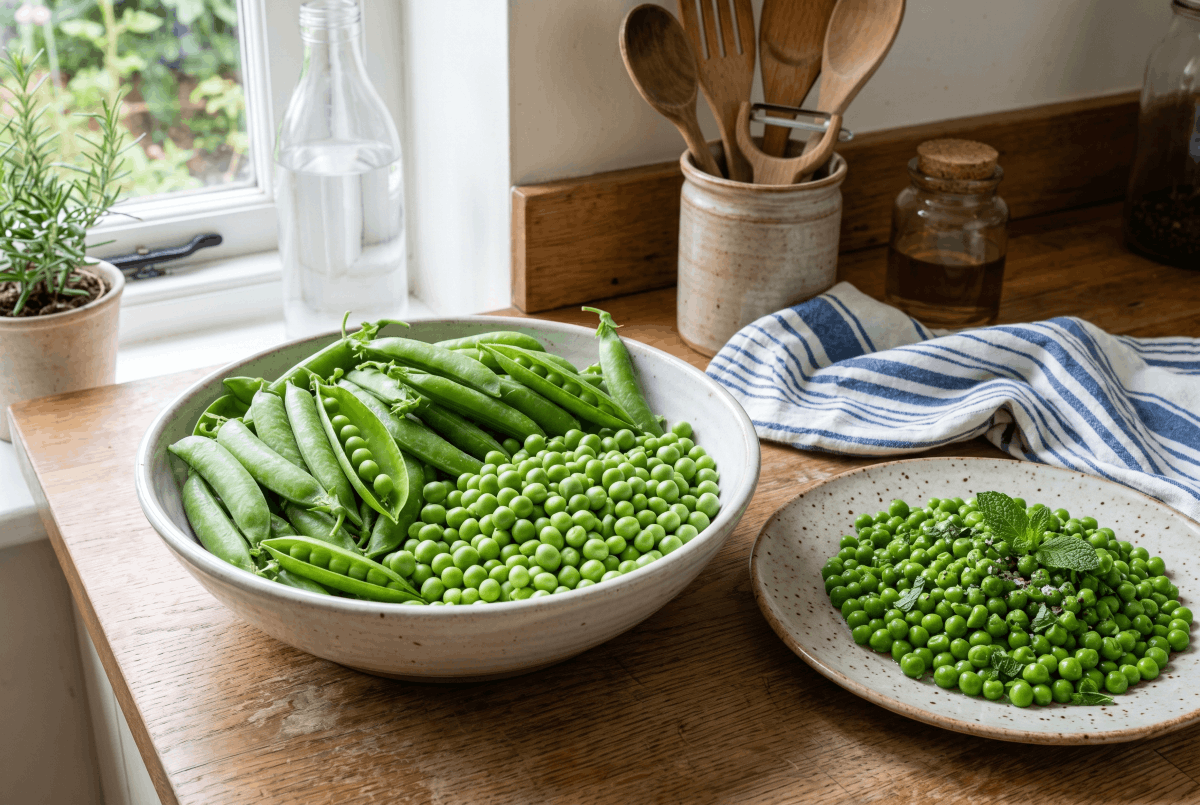
Often dismissed as a simple, unexciting side dish, boiled green peas are actually one of the absolute heavyweights of the vegetable kingdom, boasting an impressive 9.0 grams of fiber per 1-cup (160-gram) serving. This exceptional fiber-protein combination makes peas a premier, highly effective choice for sustained fullness and appetite control [1].
Asparagus

A 1-cup (180-gram) serving of cooked asparagus spears provides about 3.5 grams of high-quality fiber. Asparagus is particularly notable in the scientific community for being an excellent source of prebiotic fiber, which directly feeds healthy bifidobacteria and lactobacilli to heavily support targeted gut health [1].
Cauliflower
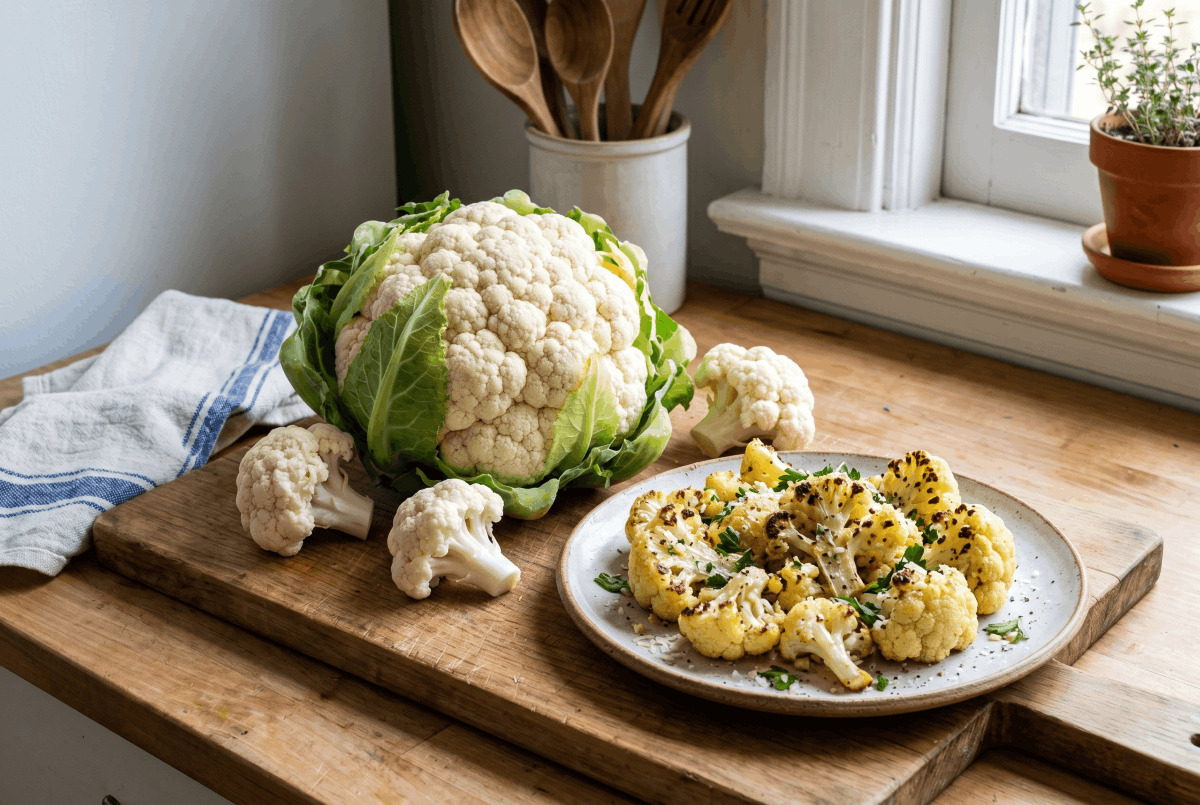
A 1-cup (107-gram) serving of chopped, raw cauliflower contains 2.0 grams of fiber. Because it can be easily riced, mashed, or roasted as a highly functional low-carbohydrate alternative to traditional grains, it is a brilliant culinary asset for maximizing food volume while consuming fewer calories [1].
Eggplant (Aubergine)
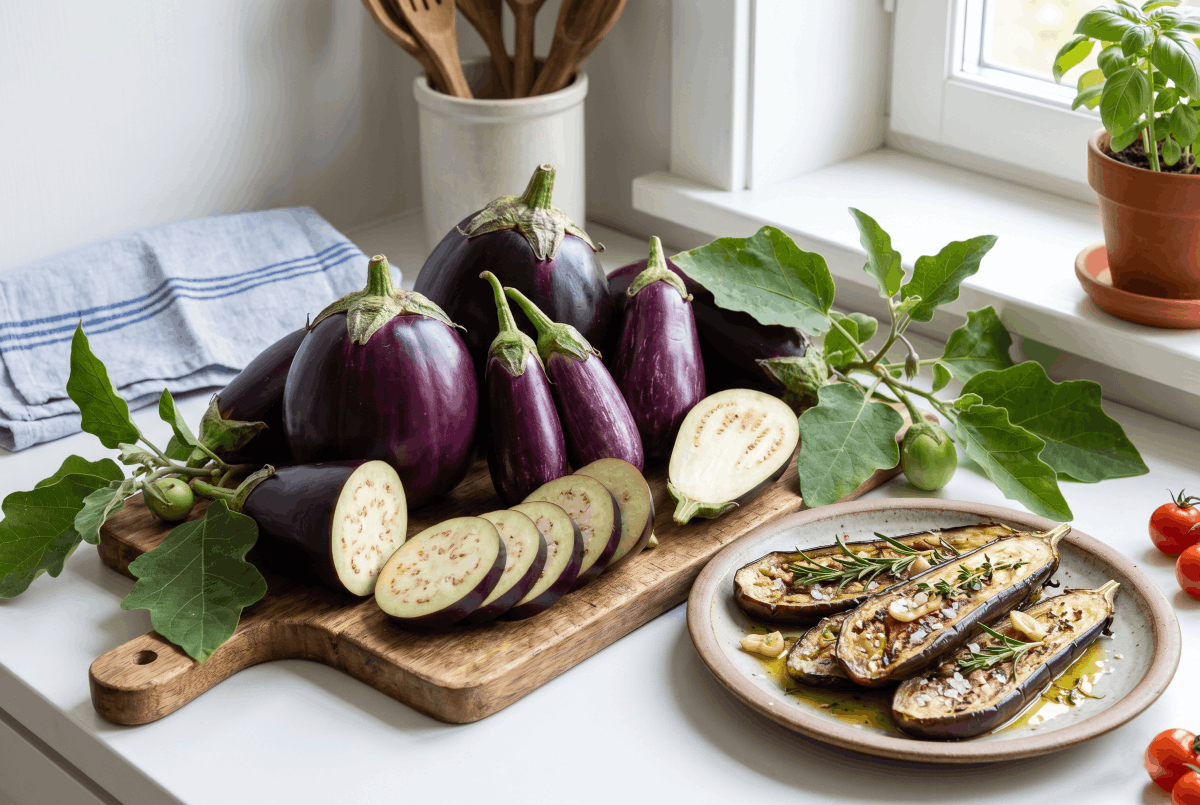
A 1-cup (99-gram) serving of cubed, cooked eggplant offers about 2.5 grams of fiber. The dark purple skin of the eggplant is rich in nasunin, a powerful, unique antioxidant that helps protect delicate cell membranes, while its spongy internal texture adds satisfying physical volume to your dinners [1].
Spinach
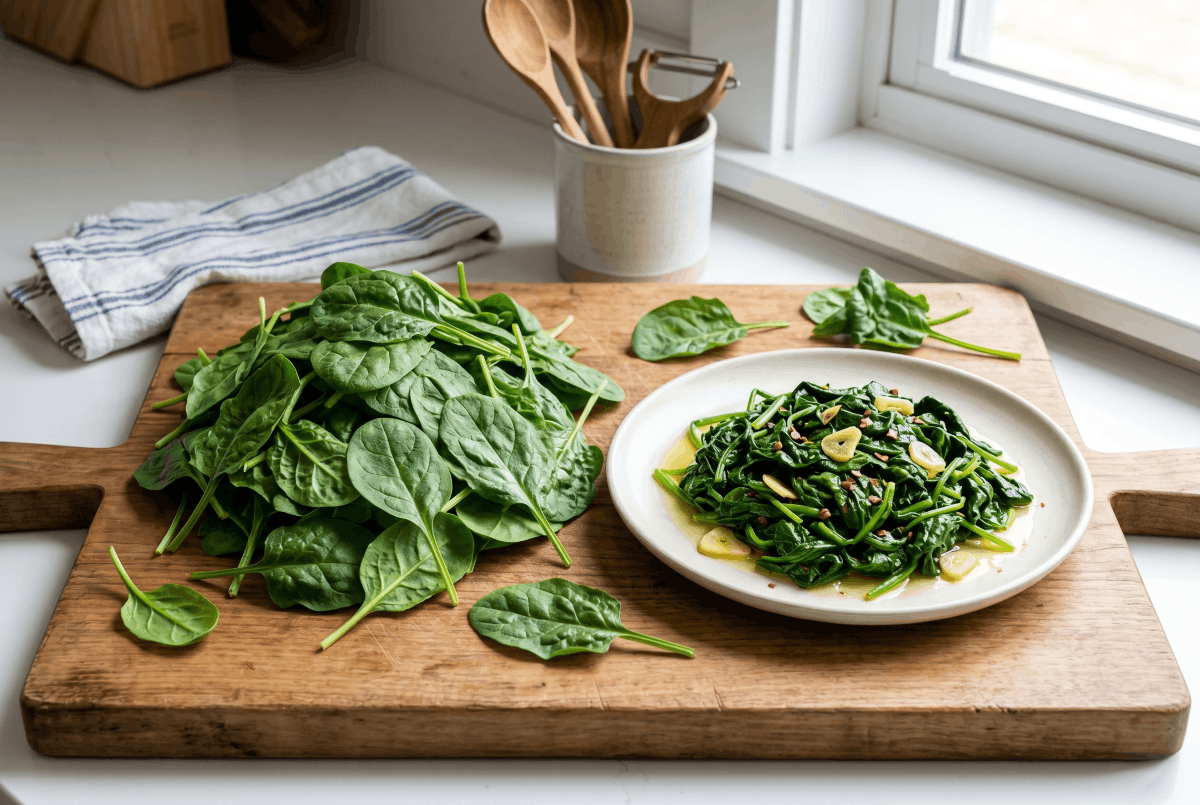
Cooked spinach delivers an impressive 4.3 grams of dietary fiber per 1-cup (180-gram) serving. It shrinks significantly when cooked, allowing you to consume a massive volume of fiber, non-heme iron for absorption, and vitamins A and C in a single, highly manageable serving that heavily supports your digestive tract [1].
[C] High-Fiber Cereals & Grains
Choosing whole grains over refined options preserves the fiber-rich bran and germ layers, transforming standard carbohydrates into slow-burning, metabolism-boosting fuel.
Oats and Oatmeal
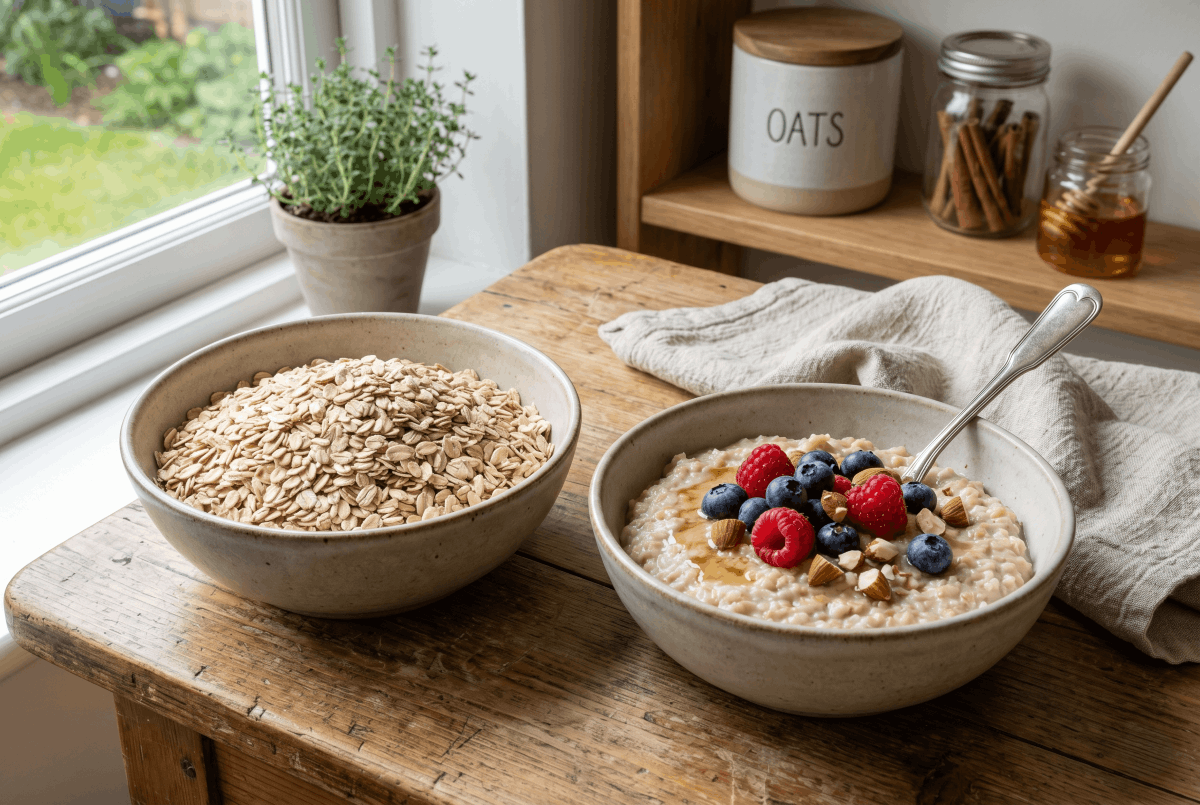
Oats are globally recognized as a foundational, everyday food for optimal heart health, providing 4.0 grams of fiber per 1-cup (234-gram) serving of cooked instant oatmeal. They contain a highly specific type of soluble fiber called beta-glucan, which has been clinically proven to actively lower LDL cholesterol and significantly improve blood sugar control [1].
Barley
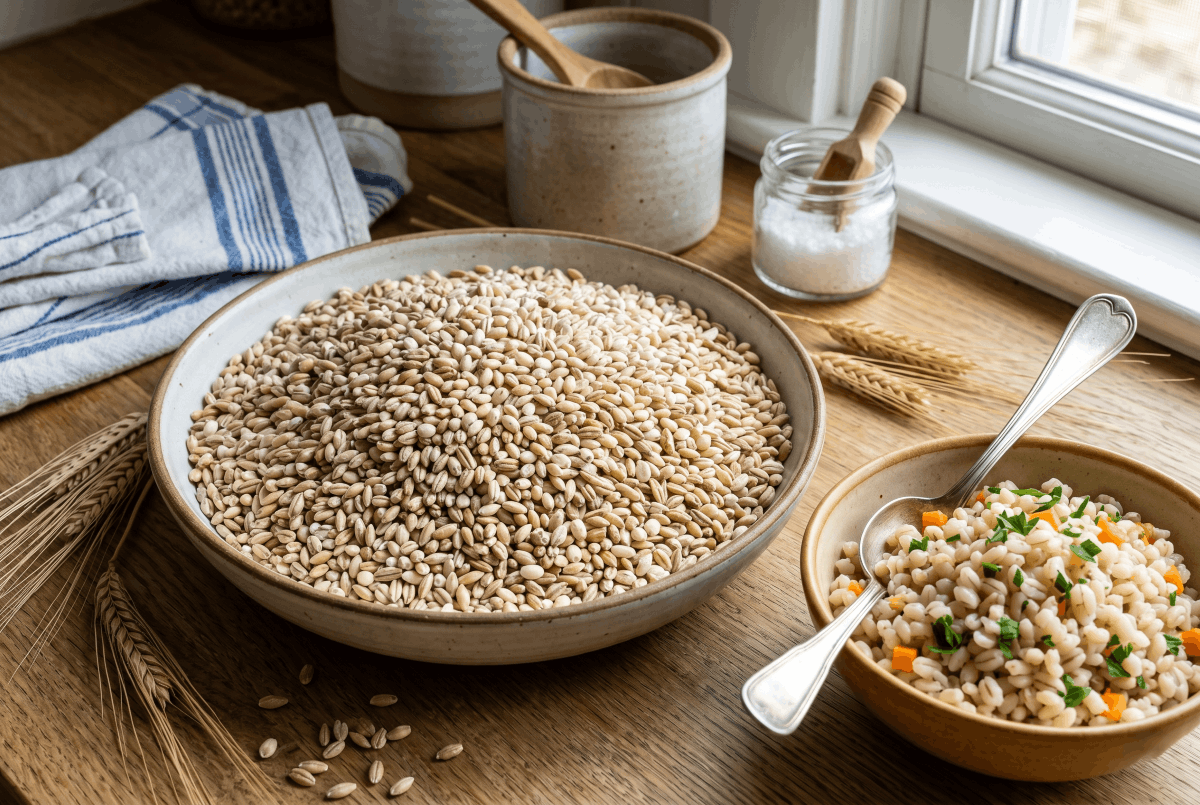
Barley is a chewy, nutty, ancient grain that remains vastly underutilized despite being an absolute fiber powerhouse, with a 1-cup (157-gram) serving of cooked pearled barley containing an astonishing 6.0 grams of fiber. Like whole oats, barley is incredibly rich in viscous beta-glucan, making it an incredibly easy way to deeply support both cardiovascular and digestive health [1].
Quinoa
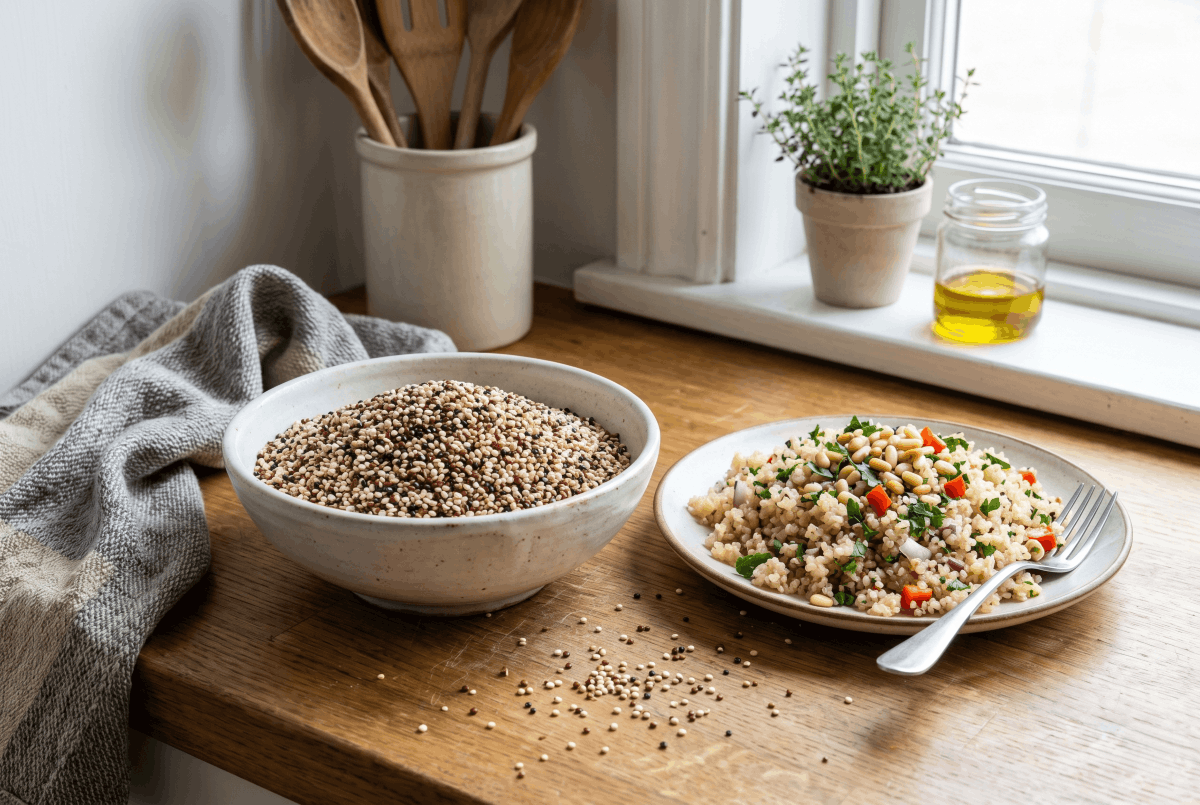
Often correctly referred to as a pseudo-cereal, cooked quinoa provides 5.0 grams of fiber per 1-cup (185-gram) serving. What truly makes quinoa extraordinary is that it acts as a complete plant protein, containing all nine essential amino acids, making it a superior, highly satiating alternative to refined grains for successful, daily weight management [1].
Brown Rice
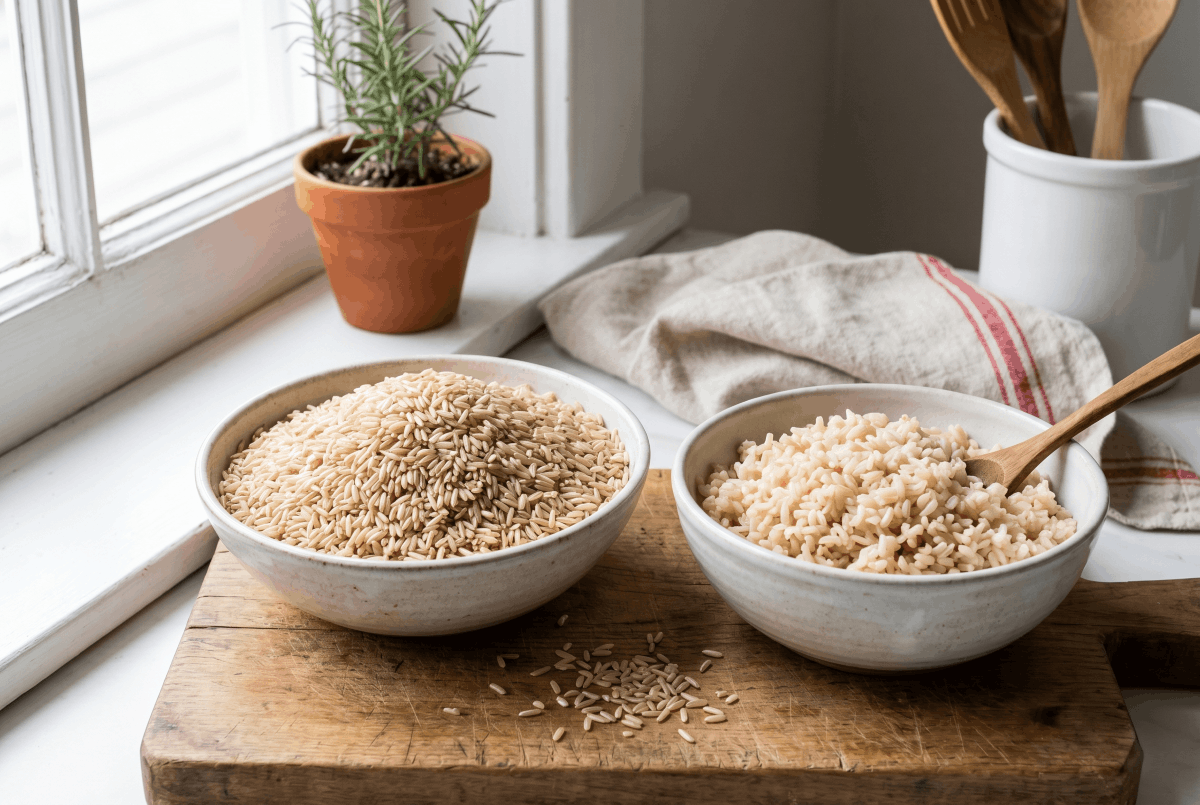
Brown rice purposefully retains its natural, nutrient-dense bran and germ layers, which is exactly why it offers 3.5 grams of fiber per cooked 1-cup (195-gram) serving, compared to refined white rice. It serves as a highly steady, deeply reliable source of complex carbohydrates that provides slow-digesting, sustained energy [1].
Oat Bran Muffins
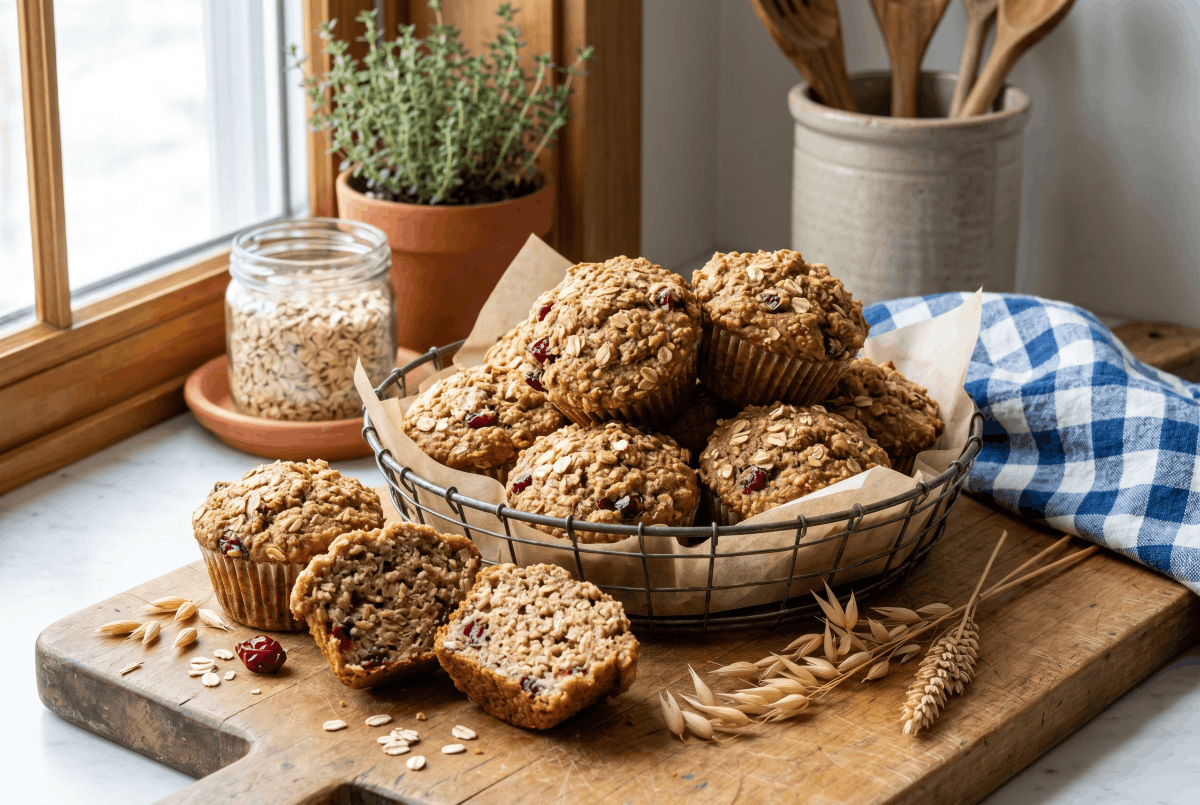
An oat bran muffin is a hearty bakery choice that can help satisfy a craving for baked goods while delivering critical nutrients, with a single 1-medium (113-gram) muffin providing roughly 5.0 grams of dietary fiber. Because oat bran is exceptionally high in soluble fiber, it actively helps slow down rapid glucose absorption in the bloodstream [1].
Whole-Wheat Bread
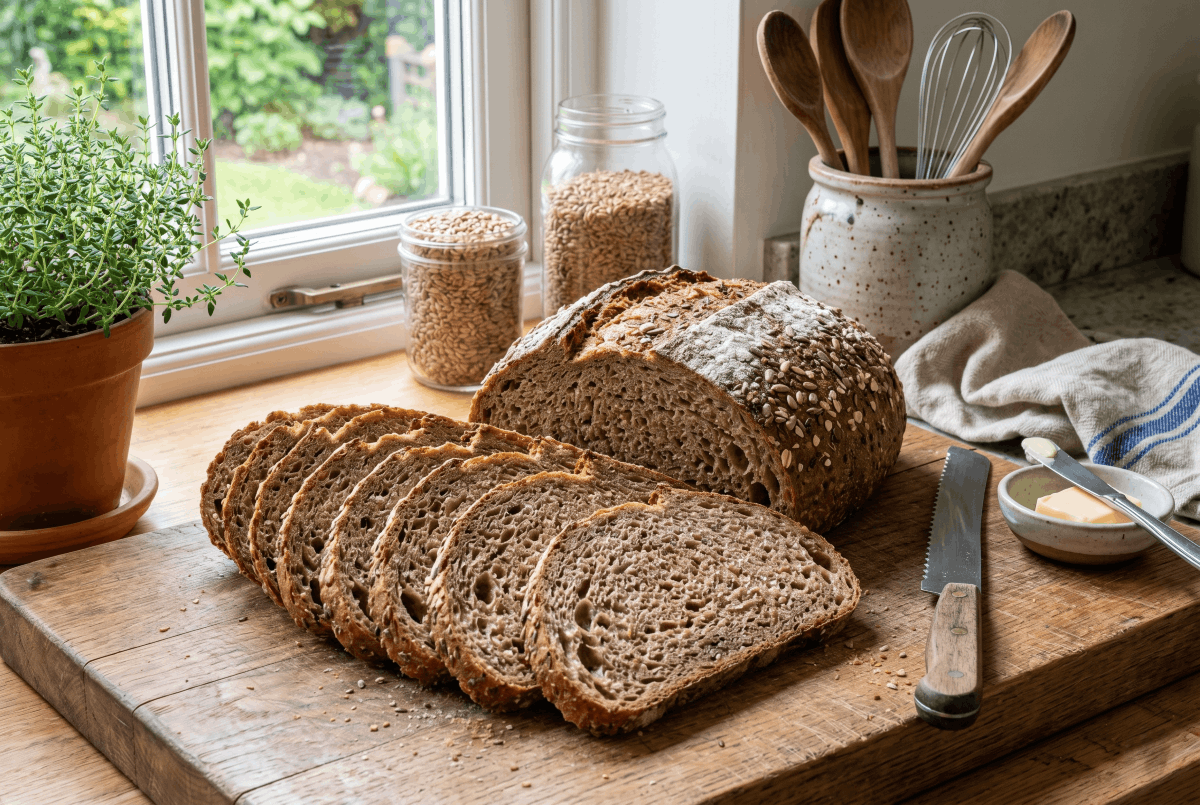
Swapping out standard white bread for a dense, whole-grain option is an effortless way to step up your daily nutrient intake, with a single 1-slice (32-gram) serving of high-quality whole-wheat bread yielding 2.0 grams of fiber. This simple switch helps actively stabilize energy levels far better than refined white flour [1].
Rye Bread
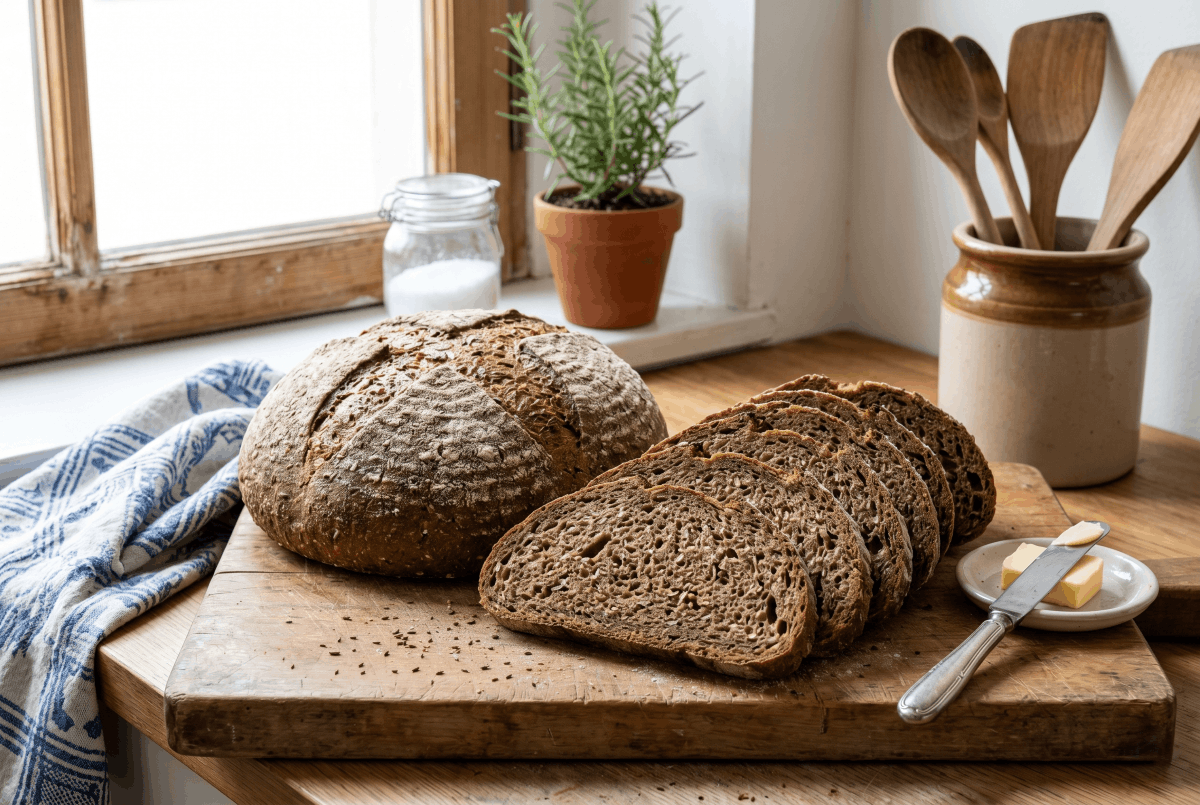
Traditional dark rye bread is an exceptionally excellent vehicle for consuming rustic, unrefined grains, with a single 1-slice (32-gram) serving containing 2.0 grams of dietary fiber. Rye possesses a lower glycemic profile than standard white bread, enhancing post-meal fullness and appetite suppression via unique arabinoxylans [1].
Bran Flakes
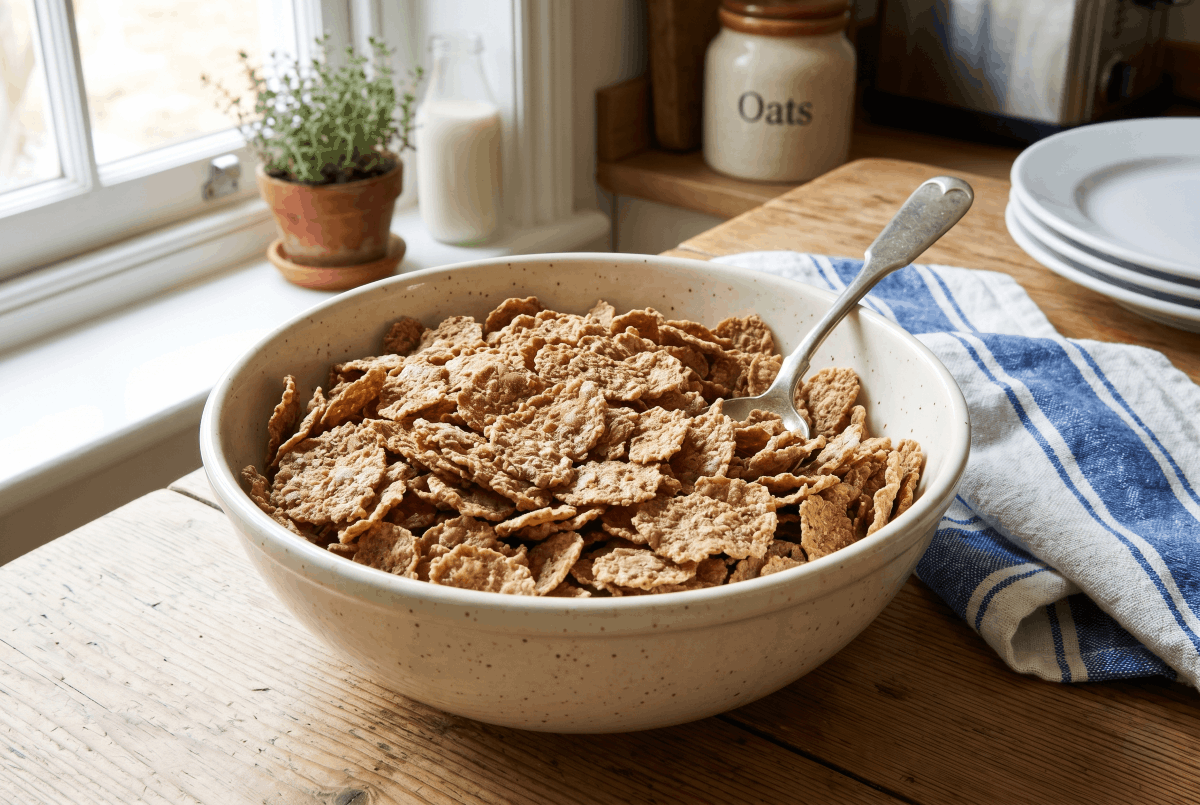
Wheat bran is the hard, highly fibrous outer layer of the wheat kernel and stands as a classic breakfast powerhouse, with a 3/4-cup (30-gram) serving of bran flakes containing a massive 5.5 grams of fiber. It is highly effective at physically speeding up intestinal transit time and clearing out the digestive tract [1].
Buckwheat
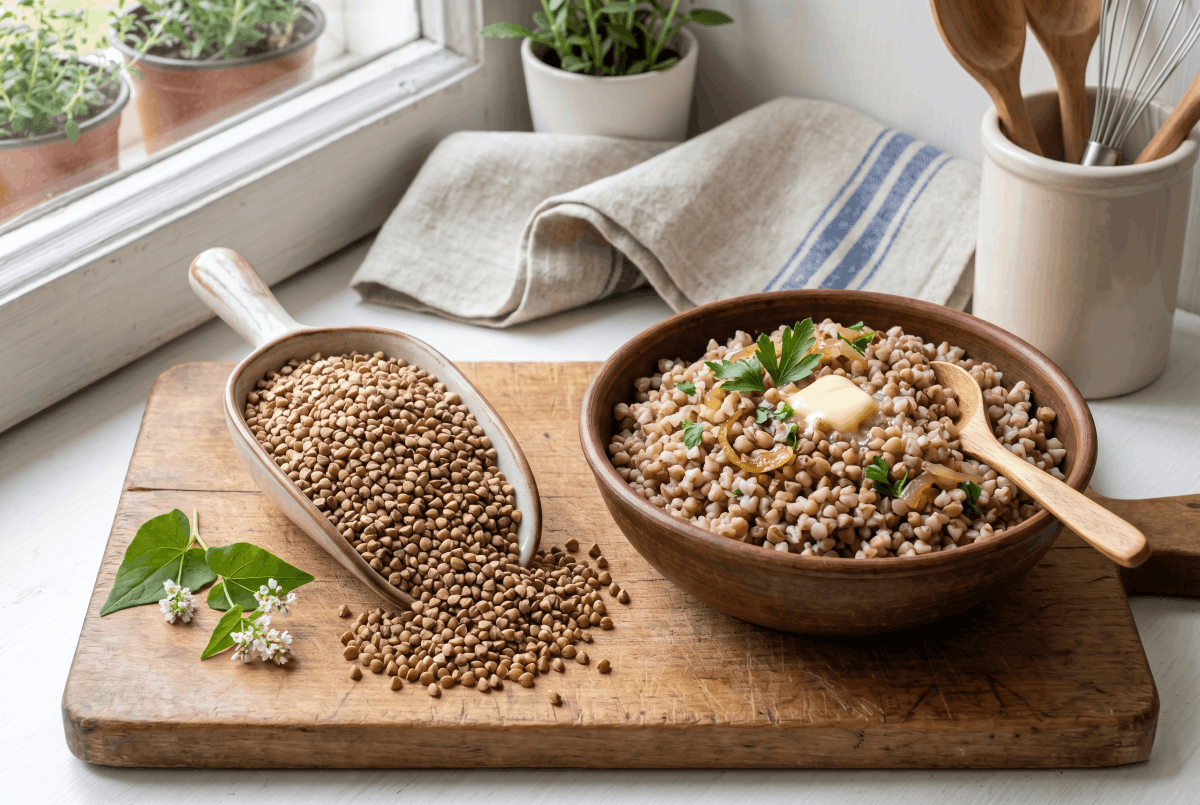
Despite its name, buckwheat is completely naturally gluten-free and provides about 4.5 grams of fiber per 1-cup (168-gram) cooked serving. It is an ancient seed packed with heart-healthy antioxidants like rutin, which add deep flavor and functional nutrition to your diet while maintaining steady blood sugar levels [1].
Whole-Wheat Pasta
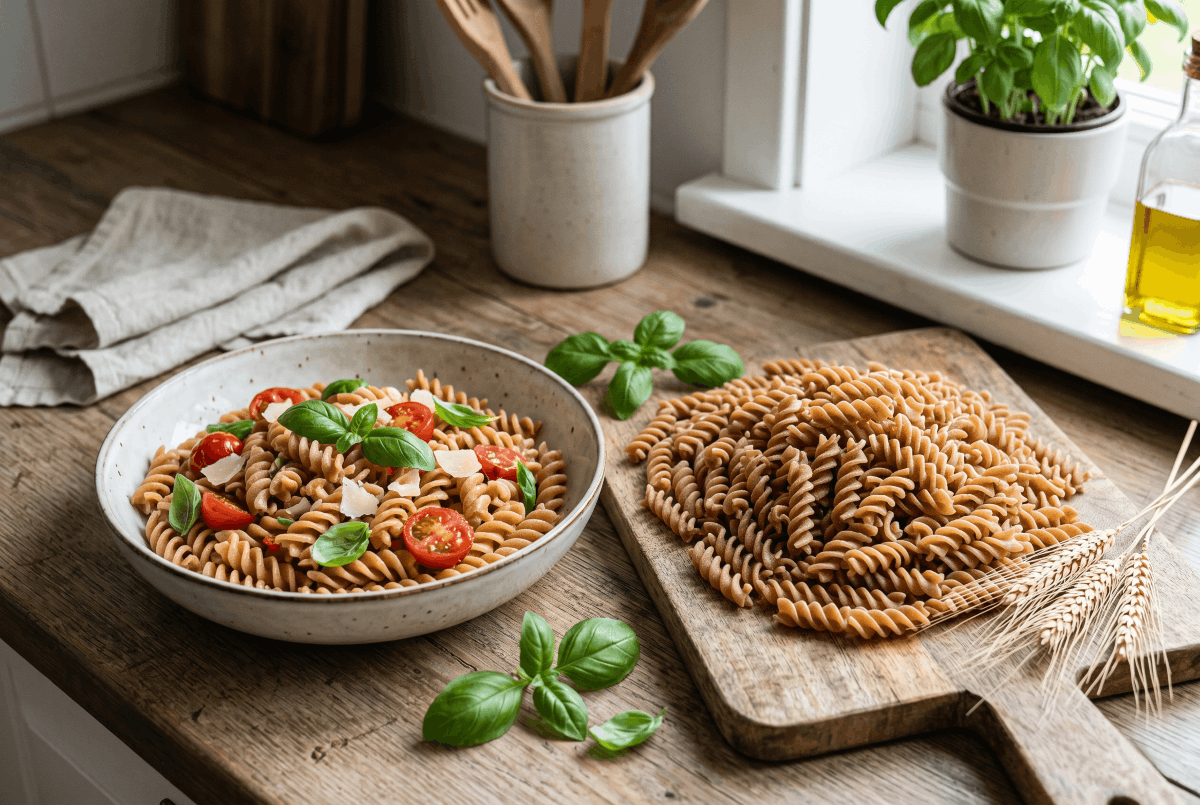
Swapping traditional refined pasta for a whole-grain alternative is one of the easiest kitchen upgrades you can make, as a 1-cup (151-gram) serving of cooked whole-wheat spaghetti yields a robust 6.0 grams of fiber. This structural difference entirely prevents the sharp, highly uncomfortable blood sugar crash associated with heavy carbohydrate meals [1].
Bulgur Wheat
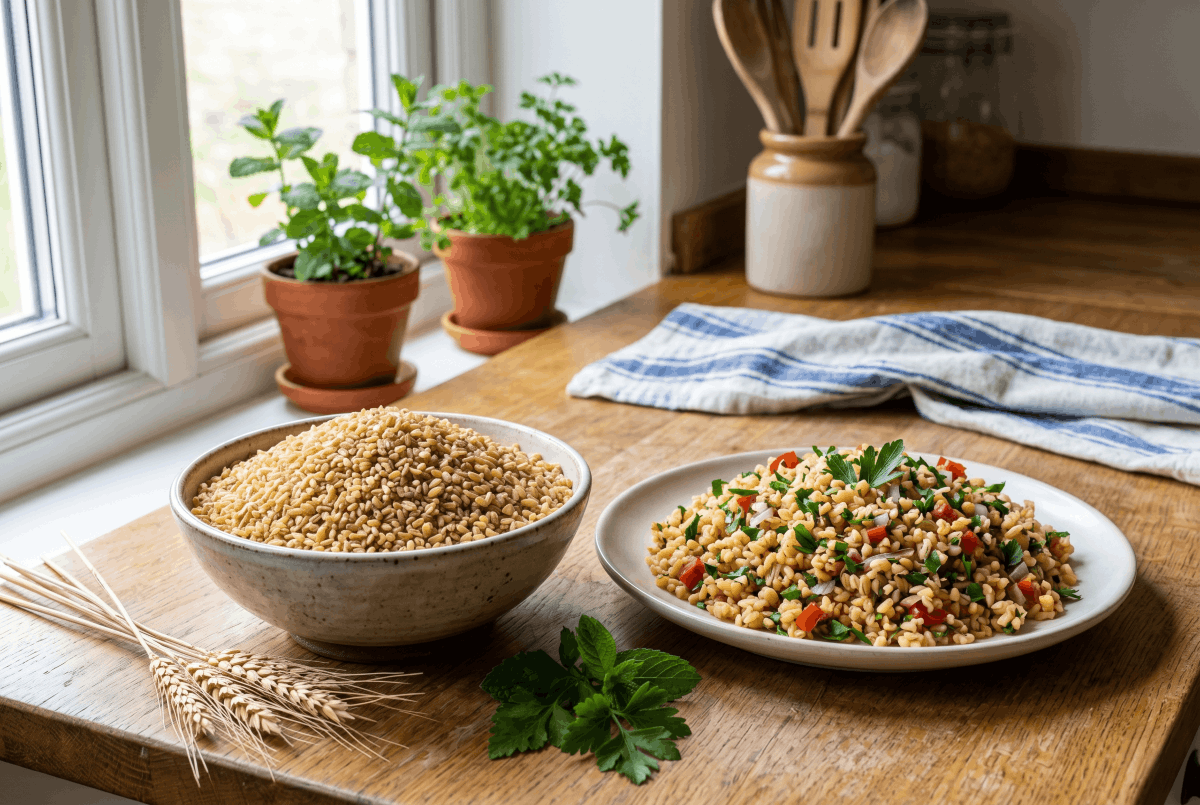
Bulgur is a quick-cooking whole grain derived directly from cracked wheat, boasting over 8.0 grams of fiber per 1-cup (182-gram) cooked serving. It is naturally very low in overall fat and exceptionally high in essential, life-sustaining minerals like manganese and magnesium, making it a perfect, high-volume addition to grain bowls for optimal structural volume [1].
[D] High-Fiber Legumes & Pulses
Legumes and pulses are the ultimate double-duty foods, combining massive amounts of dietary fiber with plant-based protein to maximize metabolic health and fullness.
Split Peas
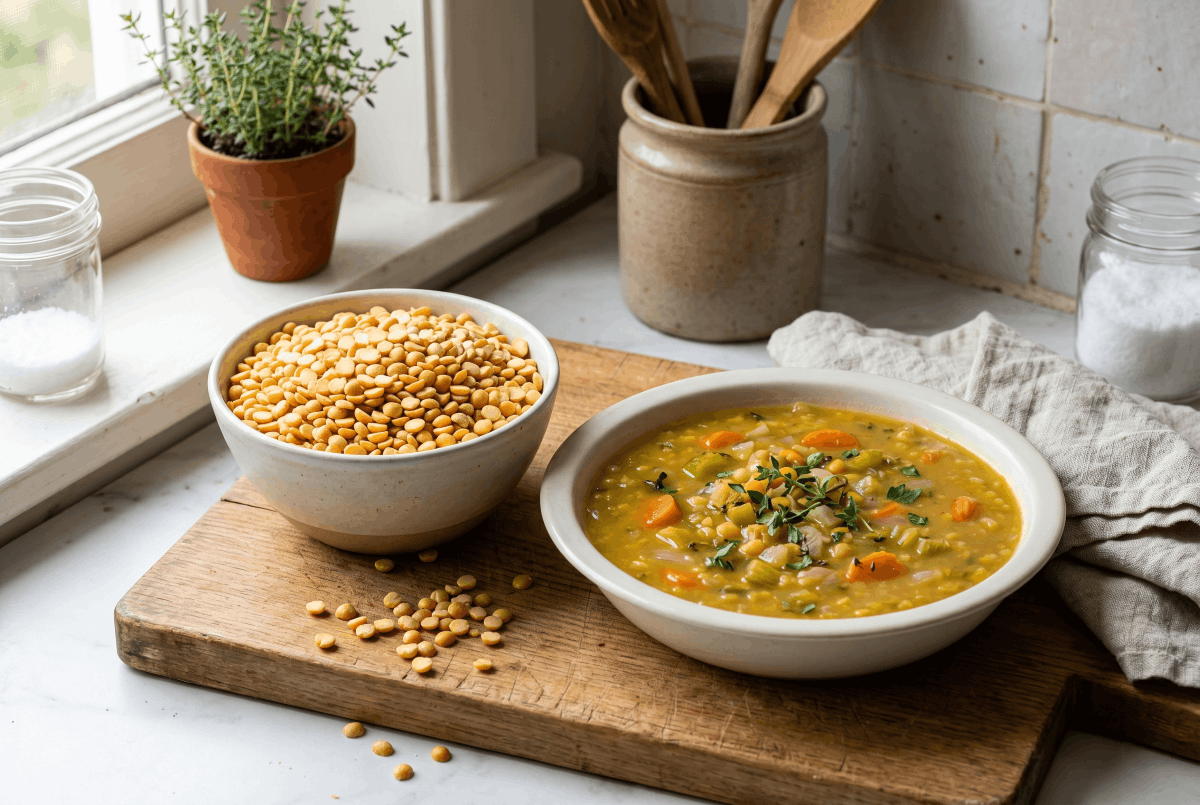
Split peas are the undisputed, heavy-hitting champions of the legume world, topping nutritional charts globally with an unbelievable 16.0 grams of fiber per 1-cup (196-gram) boiled serving. They offer immense, incredibly long-lasting satiety and are exceptionally excellent for managing circulating cholesterol levels [1].
Lentils
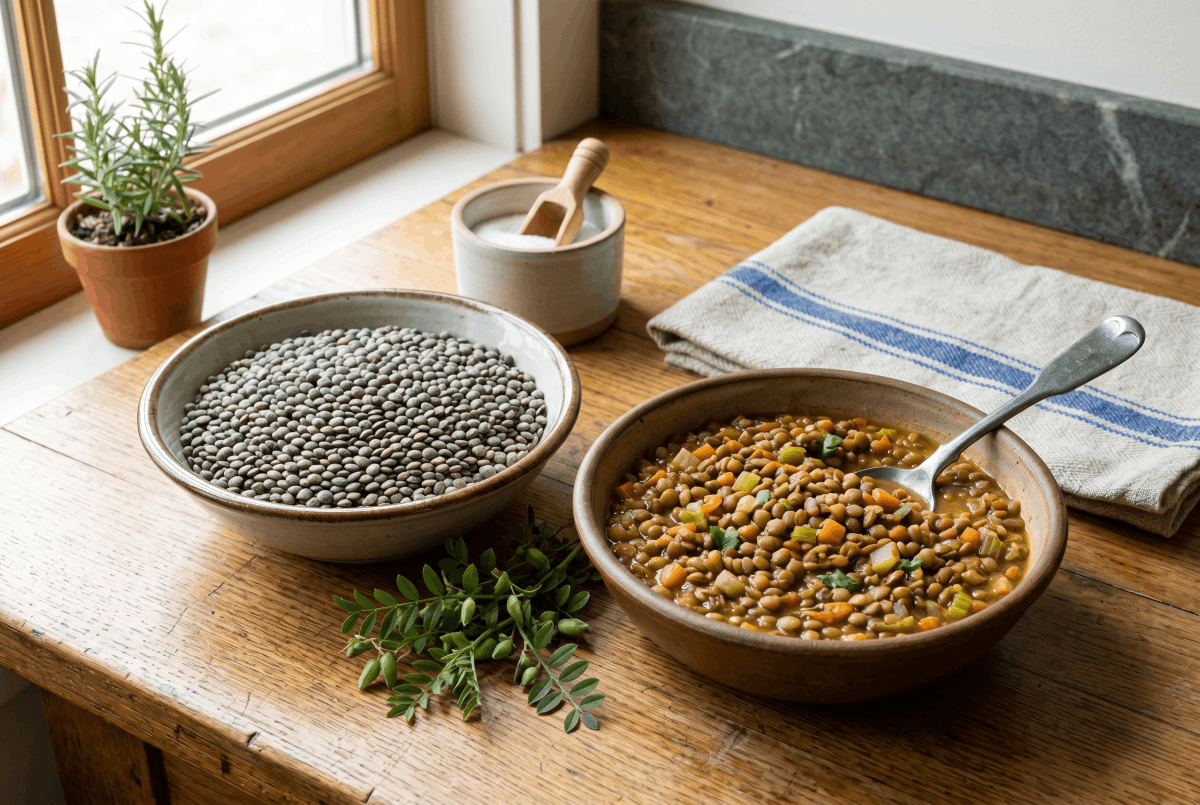
Lentils are legitimate nutritional giants, offering roughly 15.5 grams of fiber per 1-cup (198-gram) boiled serving. Their highly functional combination of slow-digesting carbohydrates, exceptionally high plant protein, and massive fiber content makes them absolutely perfect for stabilizing blood sugar and managing daily weight [1].
Black Beans
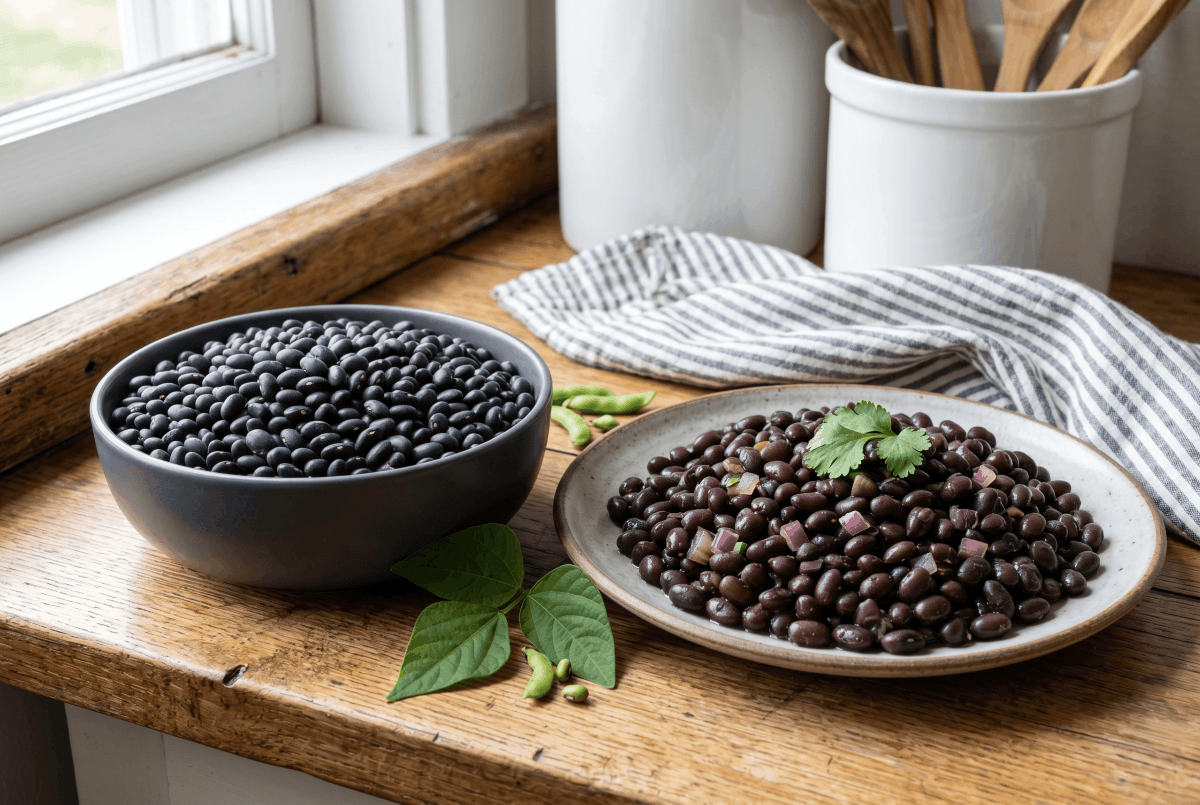
A highly beloved staple in global cuisine, black beans provide 15.0 grams of fiber per 1-cup (172-gram) boiled serving. They are heavily loaded with dark anthocyanins and dense complex carbohydrates, transforming a basic meal into a deeply nutrient-rich experience that supports cellular defense and long-term colon health [1].
Cannellini Beans
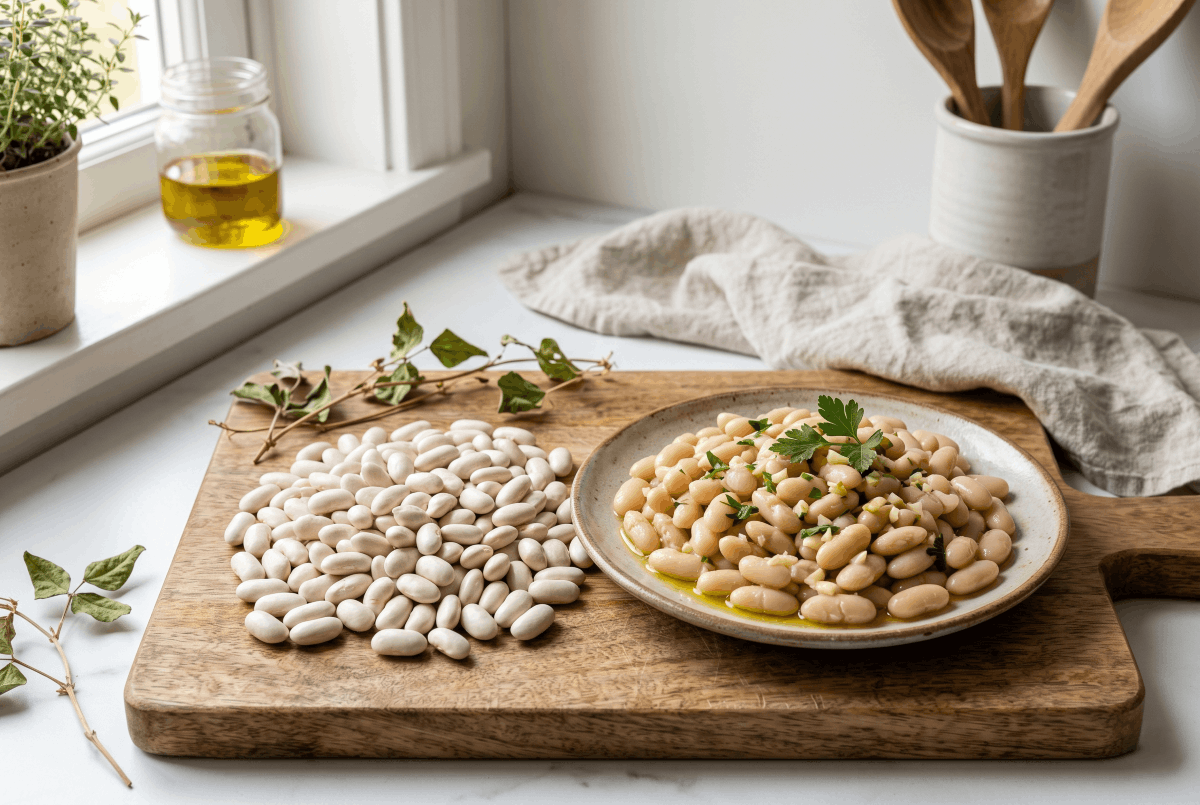
Cannellini beans, or white kidney beans, pack an absolutely enormous nutritional punch, yielding an incredible 11.3 grams of fiber per 1-cup (180-gram) cooked serving. They are functionally unparalleled for encouraging highly reliable digestive consistency and are a fantastic, highly effective way to optimize dietary cholesterol management [1].
Navy Beans
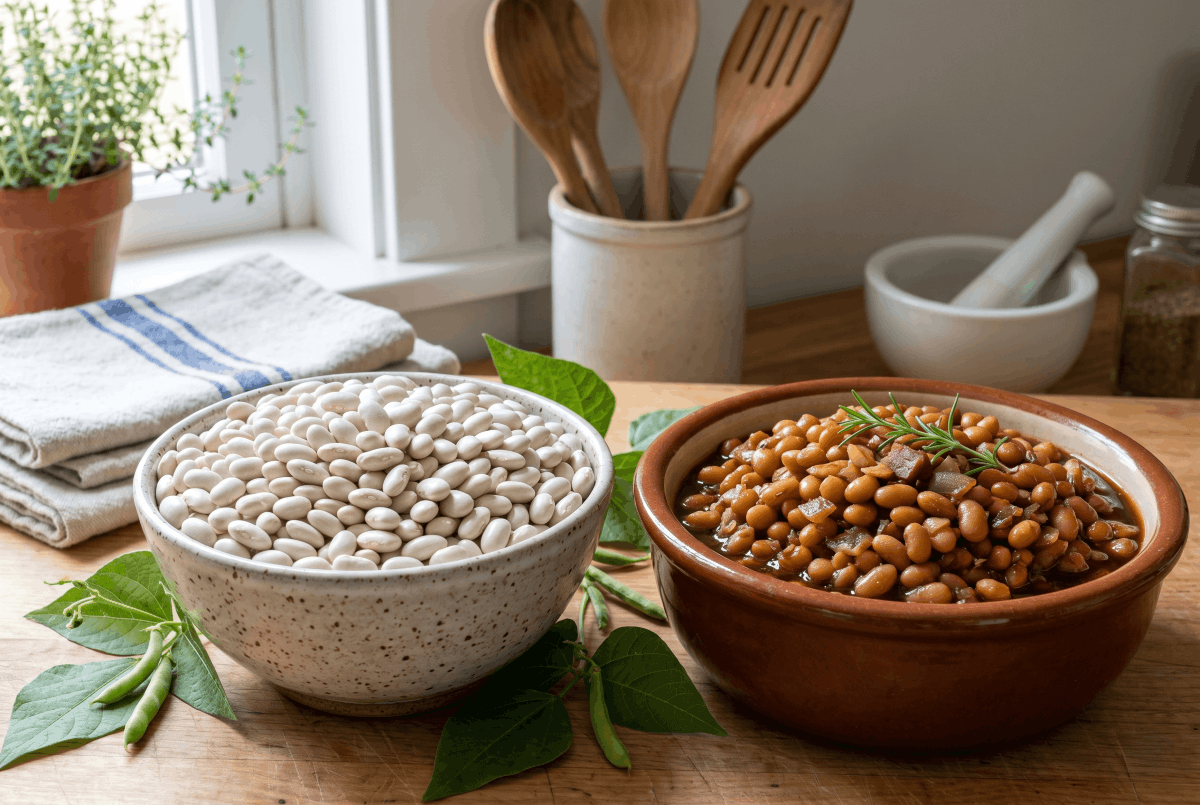
Navy beans are exceptionally small but fiber-dense, offering an astonishing 19.0 grams of dietary fiber per 1-cup (182-gram) boiled serving. This massive quantity consists heavily of soluble fiber, which binds to dietary fats in the intestines and systematically lowers circulating LDL cholesterol [1].
Chickpeas (Garbanzo Beans)
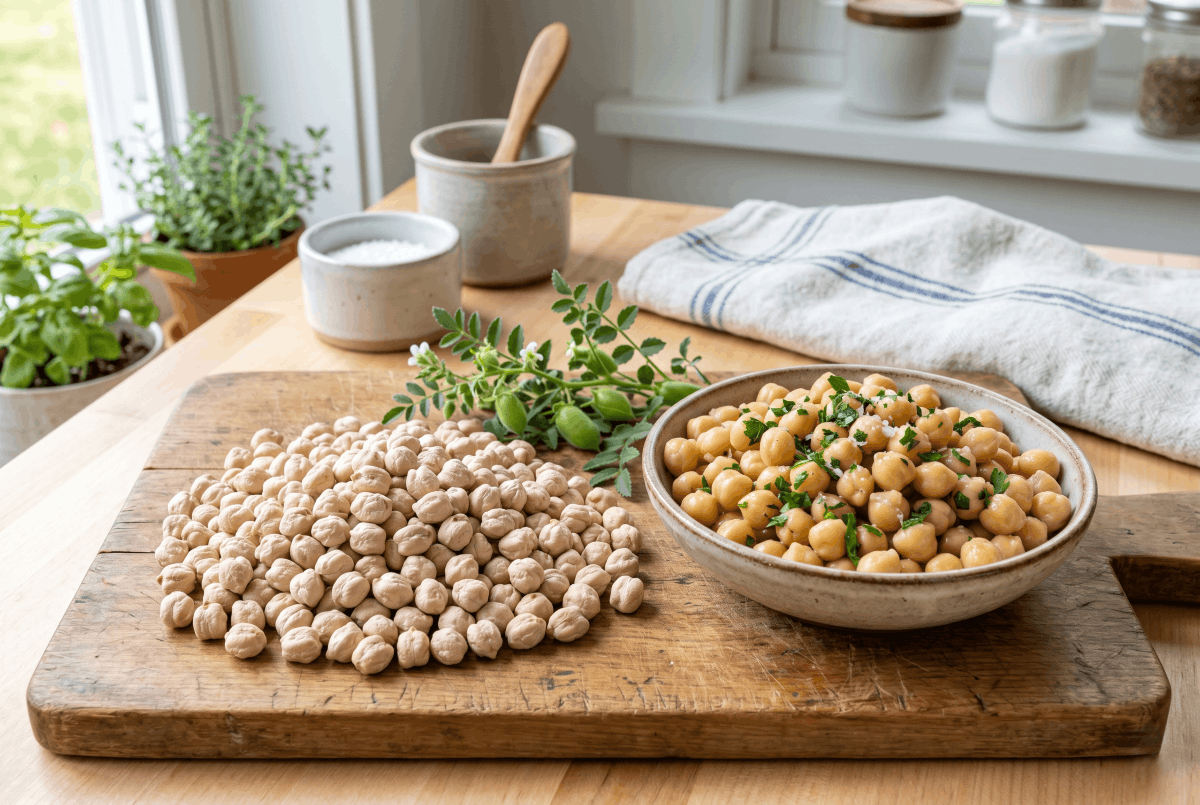
Chickpeas provide approximately 12.5 grams of highly functional fiber per 1-cup (164-gram) cooked serving. They are particularly rich in a specialized soluble fiber called raffinose, which is deeply fermented by beneficial gut bacteria to systematically produce short-chain fatty acids that actively reduce colon inflammation [1].
Kidney Beans
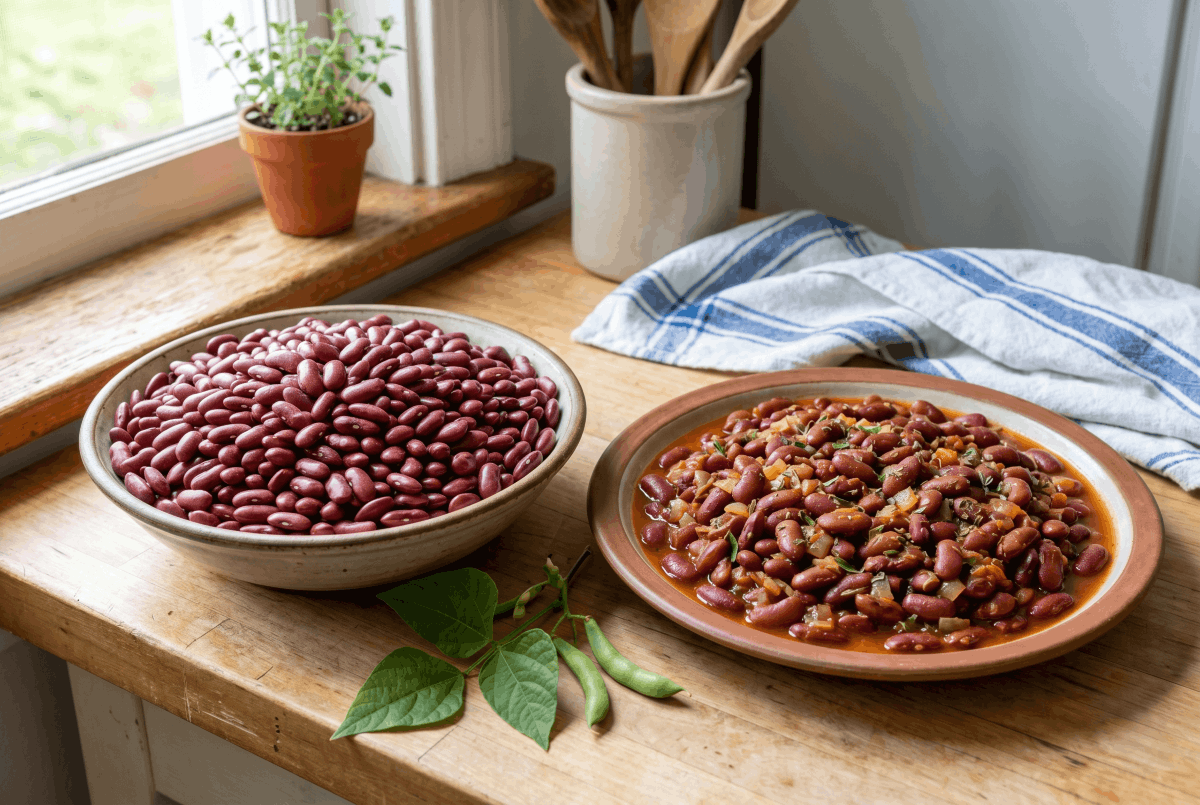
With roughly 11.0 grams of fiber per 1-cup (177-gram) cooked serving, kidney beans are a deeply robust, heavily structured legume essential for hearty chilis and slow-cooked stews. Their dense, fibrous physical structure significantly slows the systemic absorption of glucose, making them a profoundly powerful tool for actively managing daily insulin levels [1].
Lima Beans
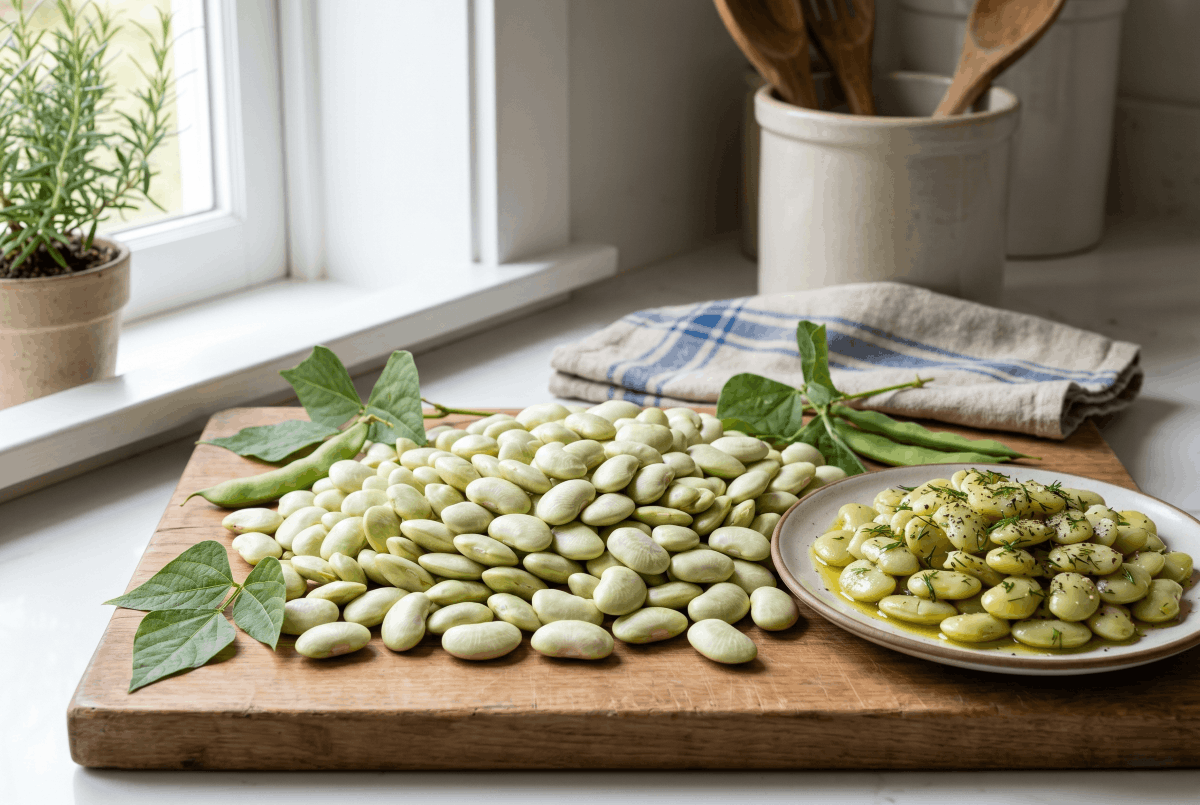
Often unfairly overlooked, lima beans (frequently called butter beans) feature an exceptionally creamy internal texture and deliver about 9.0 grams of fiber per 1-cup (188-gram) cooked serving. They are a fantastic, highly reliable source of vital trace minerals like manganese, which acts as a key structural component for internal, highly protective antioxidant enzymes [1].
Edamame (Soybeans)

Young, vibrant green soybeans, widely known as edamame, are a highly popular starter that confidently offers about 8.0 grams of fiber per 1-cup (155-gram) boiled serving. Unlike most standard plant-based proteins, edamame uniquely provides a full, complete amino acid profile for plant-based muscle synthesis, making it an excellent, protein-rich snack for active weight management [1].
[E] High-Fiber Nuts & Seeds
Nuts and seeds deliver concentrated doses of fiber alongside heart-healthy essential fatty acids, making them ideal for quick snacks or nutritional toppings.
Chia Seeds
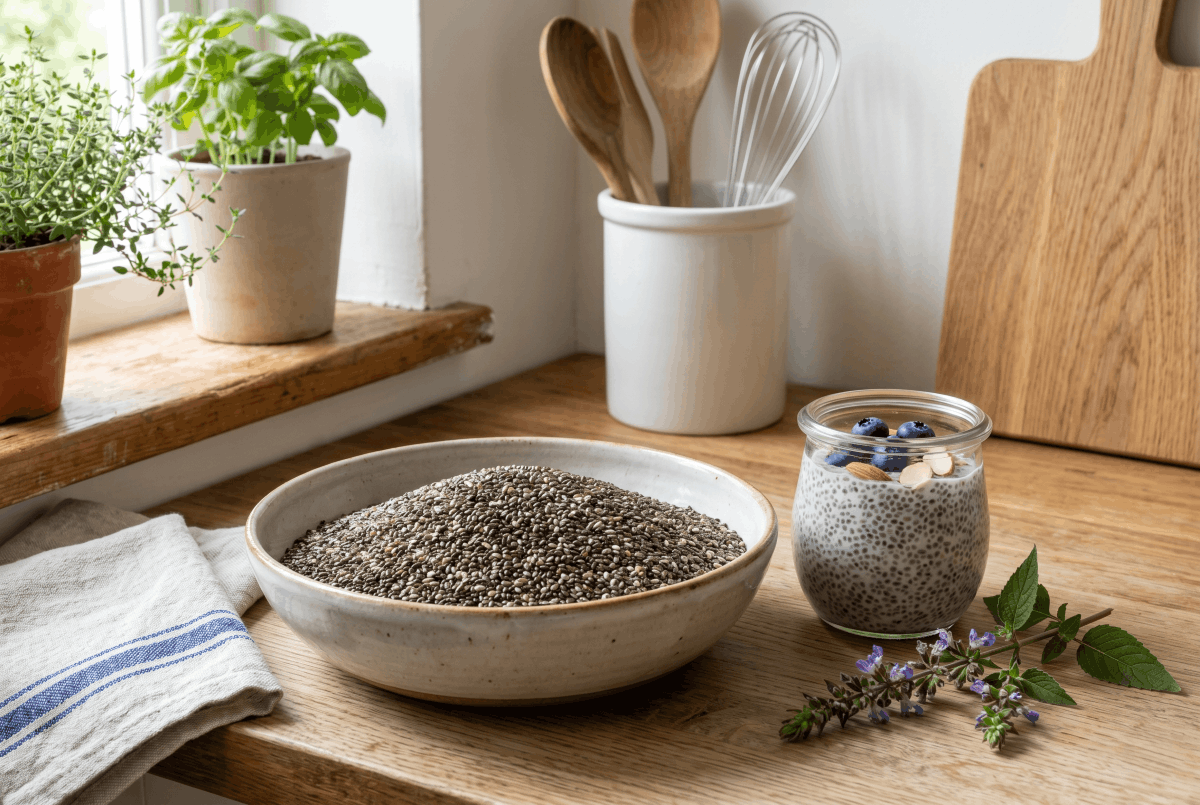
Chia seeds are absolute, undeniable marvels of nature, with a single 1-ounce (28.35-gram) serving containing a remarkably dense 10.0 grams of fiber. When actively mixed with liquid, they rapidly absorb water to securely form a thick, mucilaginous gel in the stomach, which drastically slows down transit and heavily maintains prolonged fullness [1].
Almonds

Almonds are a highly satisfying, globally popular snack that reliably delivers 3.5 grams of fiber per 1-ounce (28.35-gram) serving, which perfectly amounts to about 23 individual nuts. While they are inherently calorie-dense, their highly rigid, tough cellular structure actually prevents the human body from fully absorbing all the calories via malabsorption, directly aiding in weight management [1].
Pistachios
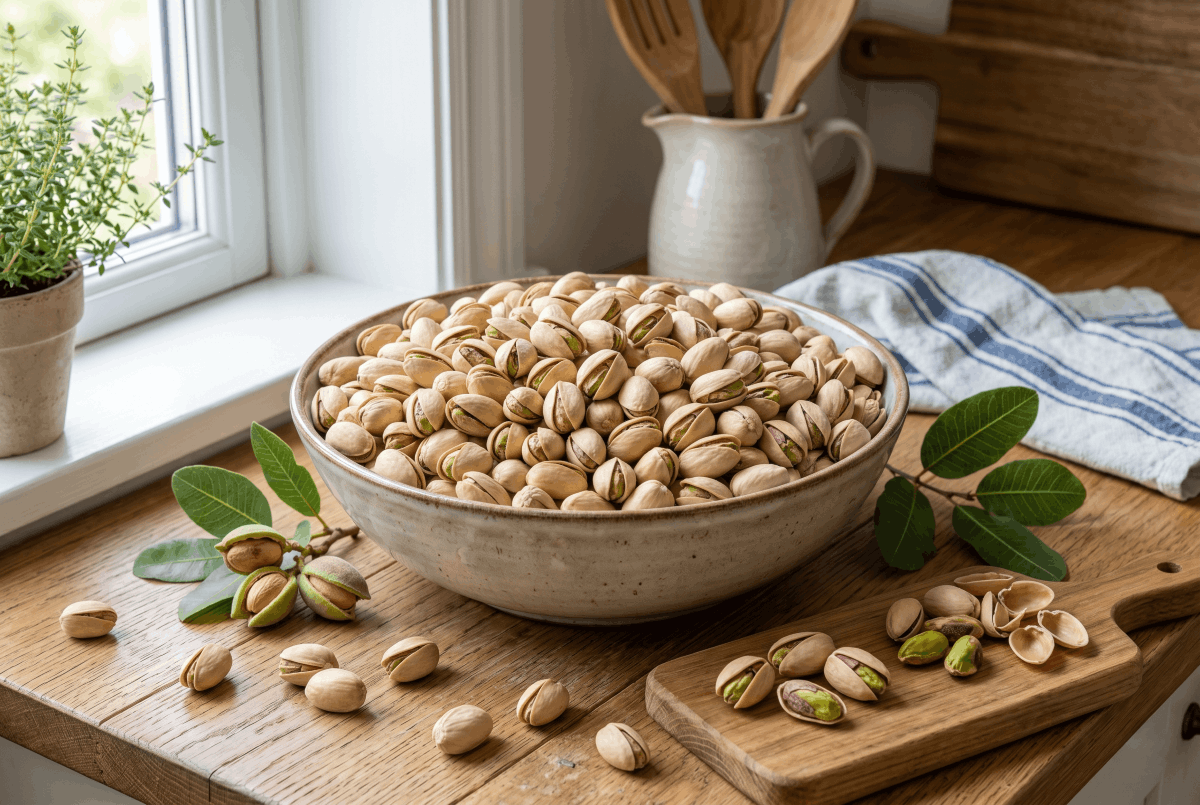
Providing 3.0 grams of fiber per 1-ounce (28.35-gram) serving (roughly 49 nuts), pistachios are a vibrant, highly nutrient-dense choice that supports overall wellness. They uniquely and naturally enforce strict portion control because the physical act of removing the tough shells significantly slows down your eating pace, actively preventing overeating [1].
Sunflower Kernels
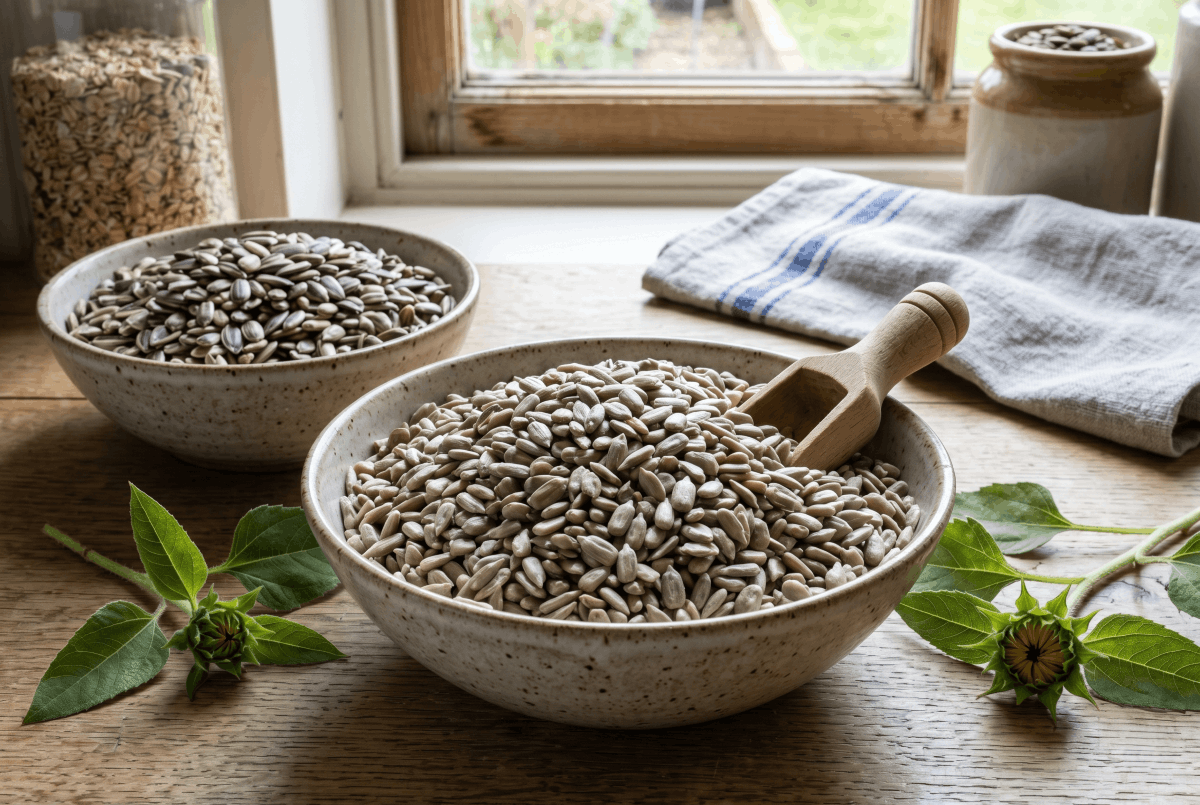
Sunflower kernels provide approximately 3.0 grams of fiber per 1/4-cup (32-gram) serving. They are a highly affordable, exceptionally accessible choice that is heavily loaded with deeply antioxidant vitamin E and highly protective selenium for cellular defense, making them a simple way to elevate your meal’s nutritional profile [1].
Flaxseeds (Linseeds)
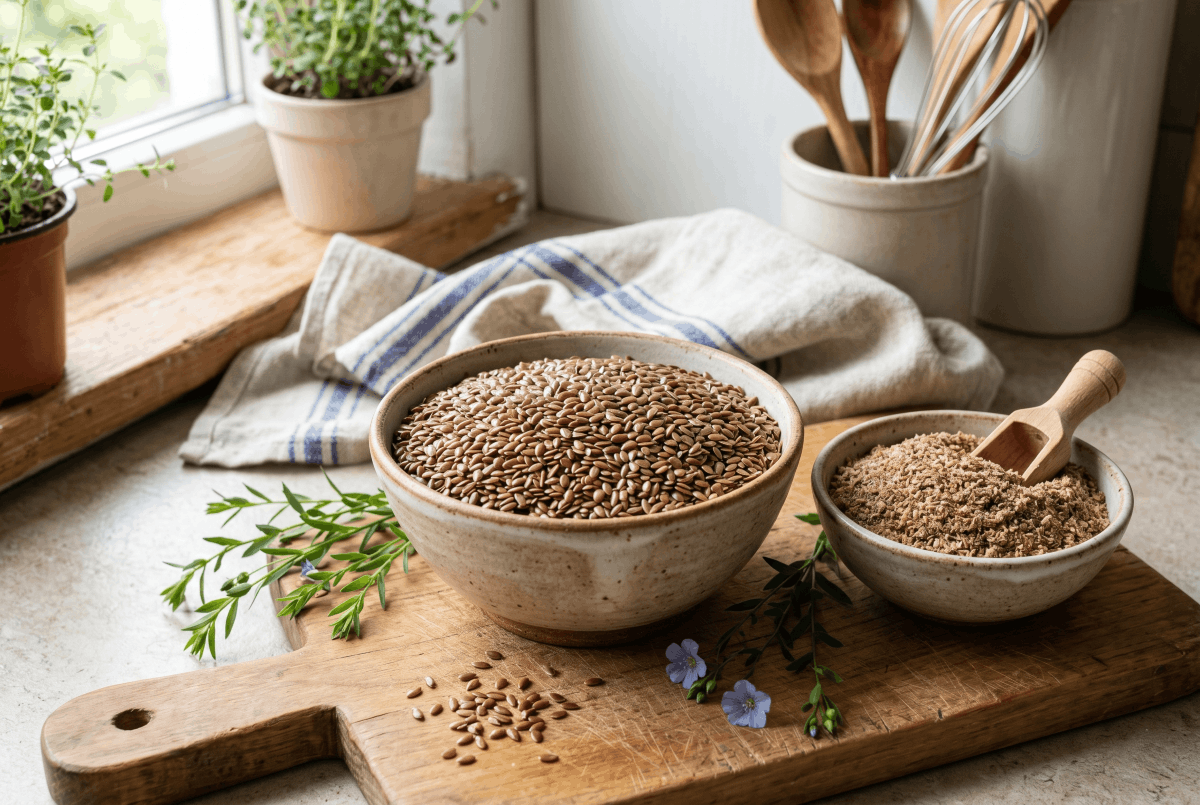
Ground flaxseeds cleanly provide about 8.0 grams of fiber per 1-ounce (28.35-gram) serving and proudly represent the absolute richest dietary source of highly protective plant lignans for hormonal balance. It is critically essential to actively consume them ground rather than whole to completely ensure proper, full digestion and systemic absorption of their unique antioxidant properties [1].
Pumpkin Seeds (Pepitas)
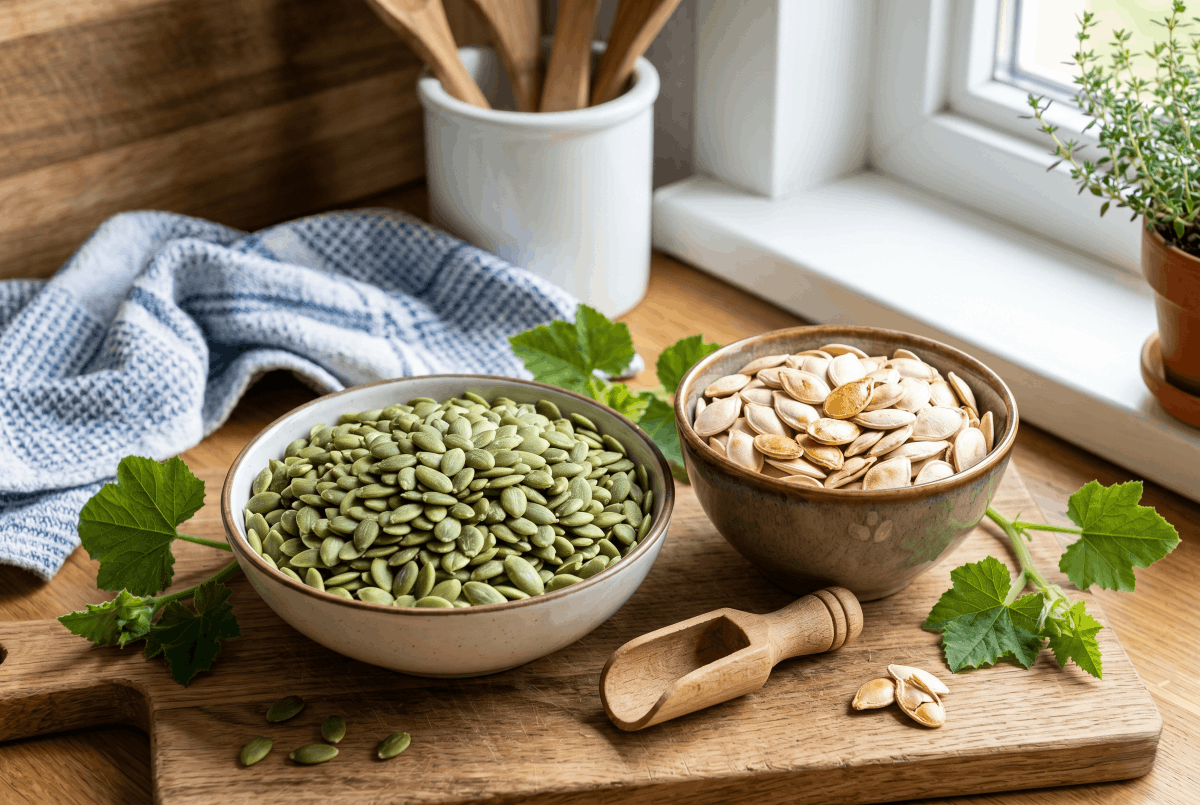
A 1-ounce (28.35-gram) serving of shelled, green pumpkin seeds offers about 1.5 grams of fiber, but actively eating them whole with their tough white shells intact absolutely skyrockets the count to over 5.0 grams. They are incredibly, functionally rich in magnesium and zinc, minerals absolutely crucial for immune system optimization and maintaining proper, healthy muscle function [1].
Walnuts

While proudly offering slightly less fiber—about 2.0 grams per 1-ounce (28.35-gram) serving—walnuts are an absolutely crucial dietary addition because they are the undisputed premier nut for plant-based omega-3 fatty acids (ALA). This highly specific combination is profoundly, actively anti-inflammatory and exceptionally, deeply supportive of long-term brain health [1].
Pecans
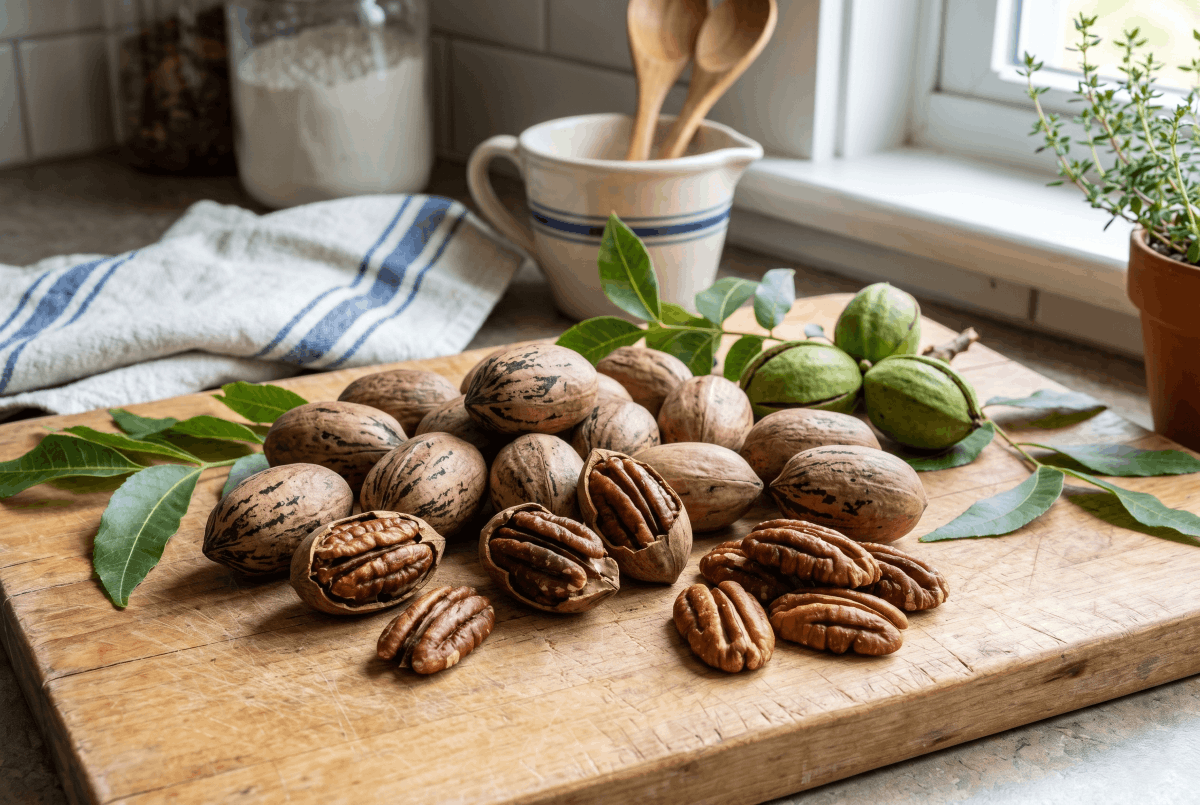
Pecans reliably offer about 2.5 grams of fiber per 1-ounce (28.35-gram) serving. They are exceptionally, functionally high in vital plant polyphenols and have been clinically shown to actively assist in firmly maintaining highly healthy, balanced cholesterol levels, making them a healthy addition to morning grain bakes [1].
[F] High-Fiber Snacks & Others
Healthy snacking does not have to mean relying on processed foods [1]. These everyday choices make it easy to hit your daily nutritional benchmarks without sacrificing flavor.
Air-Popped Popcorn

Popcorn is a completely natural, 100% whole grain, with a generous 3-cup (24-gram) serving of clean, air-popped popcorn containing 3.5 grams of fiber for only about 90 total calories. Because you can comfortably consume a massive physical volume for incredibly minimal calories, it is an absolute ultimate high-volume snack for active weight loss [1].
Dark Chocolate (70% Cocoa or Higher)
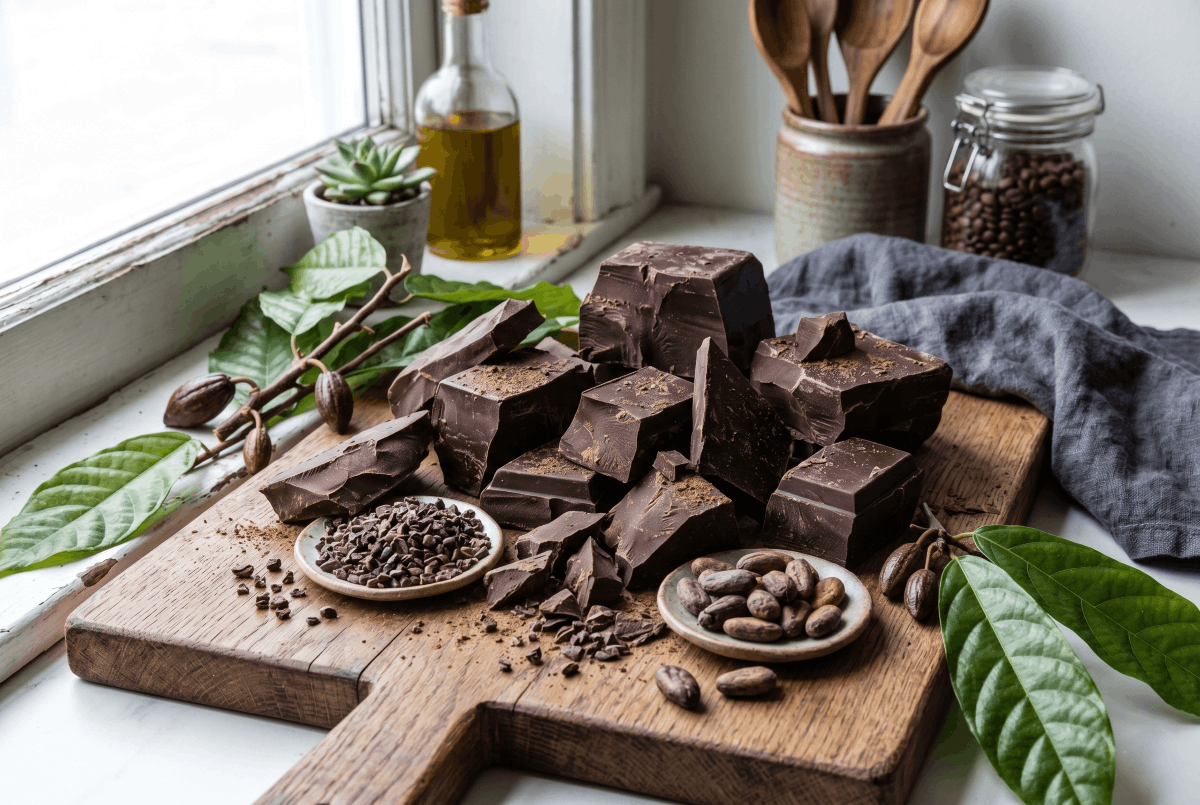
Astonishingly, a 1-ounce (28.35-gram) piece of high-quality dark chocolate (strictly 70–85% cocoa) contains over 3.0 grams of functional fiber. It is deeply loaded with essential iron, vital magnesium, and highly potent antioxidants called flavanols, providing entirely legitimate, scientifically backed cardiovascular benefits while naturally satisfying a sweet tooth for craving control [1].
Hummus

Made primarily from deeply blended chickpeas and highly rich tahini sesame paste, a 1/4-cup (60-gram) serving of fresh hummus provides roughly 4.0 grams of fiber. It is a deeply creamy, highly savory option that serves as the absolutely perfect, functional vehicle for eating far more raw, crisp produce to curb intense mid-afternoon hunger pangs [1].
Chia Pudding
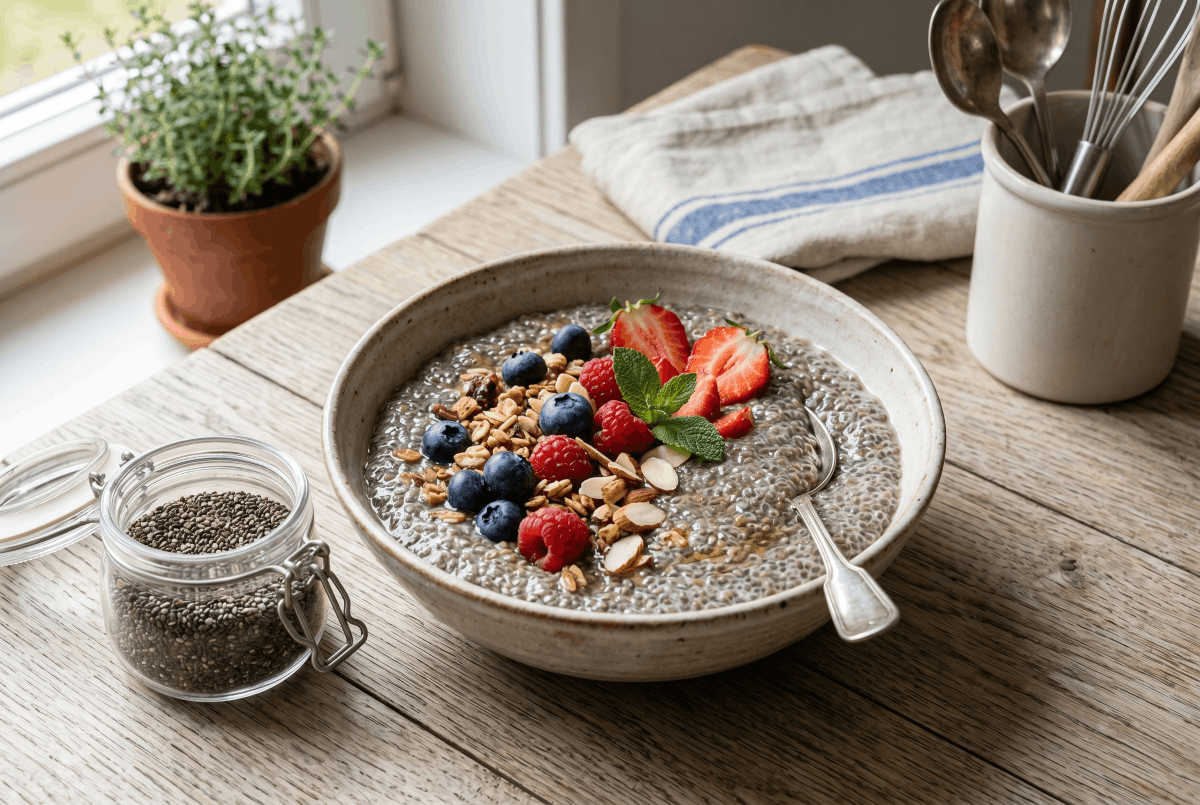
By actively mixing two full tablespoons of chia seeds directly with almond milk and allowing it to firmly set overnight, you effectively create a highly dessert-like snack proudly boasting upwards of 10.0 grams of fiber per serving. One Chia Pudding serving is approximately equal to 2 tablespoons (approximately 1 ounce or 28 grams) of whole chia seeds thoroughly mixed with 1/2 cup (120 milliliters) of a liquid base, such as almond milk, dairy milk, or water. It is a highly functional, deeply powerful tool to actively regulate systemic blood sugar and completely, comfortably promote reliable overnight digestive regularity [1].
Best High-Fiber Foods for Alleviating Constipation
When internal digestive motility significantly slows down, your digestive system urgently requires a highly specific combination of dense insoluble bulk, highly viscous soluble gel-forming fibers, and completely natural sugars to actively draw necessary water directly into the colon. The ultimate, scientifically backed choice for rapid relief is unequivocally prunes (dried plums) [3]. Clinical trials explicitly demonstrate that prunes regularly and consistently outperform standard, highly processed supplements like psyllium husk in successfully increasing bowel movement frequency and deeply improving consistency due to their highly unique balance of natural fiber and active sorbitol [3].
Right behind prunes are chia seeds and flaxseeds, which form a lubricating mucilaginous gel in the digestive tract, and artichokes, which supply prebiotic inulin to feed the healthy gut flora that stimulates motility. Incorporating these foods alongside increased fluid intake is a reliable strategy to restore everyday regularity.
Top High-Fiber Foods for Weight Management
For highly successful weight management, the primary, overriding goal is to actively maximize physical food volume and deep post-meal satiety while strictly keeping overall caloric density as low as possible [2, 5]. Striking evidence strongly indicates that deliberately increasing total dietary fiber intake actively and powerfully reduces the profound risk of stubborn weight and fat gain, making it absolutely critical within successful, highly sustained weight loss interventions [5].
The absolute best, top-tier fruit choice is spoon-for-spoon raspberries, which brilliantly offer an incredibly high fiber profile with remarkably minimal natural sugars. Legumes like lentils and dense split peas are also critically crucial because their highly functional combination of heavy protein and dense fiber completely prevents the sharp, dangerous blood sugar crashes that typically drive intense junk-food cravings.
The Bottom Line
Reaching your daily fiber goals shouldn’t feel like a chore; it is an opportunity to explore a diverse and colorful spectrum of whole foods. By consciously rotating through your preferred choices of these 60 fruits, vegetables, legumes, grains, and seeds, you guarantee a robust intake of both soluble and insoluble fiber. Remember to start slow, stay adequately hydrated, and utilize this list to naturally and sustainably upgrade your metabolic health, support your microbiome, and maintain effortless digestive consistency [6, 7].
References and Citations
- U.S. Department of Agriculture (USDA). (2025/2026). FoodData Central. The central database that provides the standardized, scientifically verified nutritional data, including fiber gram counts for all foods listed in this article. Link: https://fdc.nal.usda.gov/
- Slavin, J. L. (2005). Dietary fiber and body weight. Nutrition. This study highlights how an increase in fiber intake increases post-meal satiety and decreases subsequent hunger, solidifying fiber’s role in weight regulation. Link: https://pubmed.ncbi.nlm.nih.gov/15797686/
- Attaluri, A., Donahoe, R., Valestin, J., Brown, K., & Rao, S. S. (2011). Randomised clinical trial: dried plums (prunes) vs. psyllium for constipation. Alimentary Pharmacology & Therapeutics. This trial concludes that prunes appear superior to psyllium for improving stool frequency and consistency in chronic constipation. Link: https://pubmed.ncbi.nlm.nih.gov/21323688/
- Reynolds, A., Mann, J., Cummings, J., Winter, N., Mete, E., & Te Morenga, L. (2019). Carbohydrate quality and human health: a series of systematic reviews and meta-analyses. The Lancet. Striking dose-response evidence indicates that higher intakes of dietary fibre protect against cardiovascular diseases, type 2 diabetes, and colorectal cancer. Link: https://www.thelancet.com/journals/lancet/article/PIIS0140-6736(18)31809-9/fulltext
- Tucker, L. A., & Thomas, K. S. (2009 / Updated citations 2019). Increasing total fiber intake reduces the risk of weight and fat gain in women. The Journal of Nutrition. Highlights that dietary fiber consumption is critical within weight loss interventions. Link: https://pmc.ncbi.nlm.nih.gov/articles/PMC6637407/
- Anderson, J. W., Baird, P., Davis, R. H., Ferreri, S., Knudtson, M., Koraym, A., Waters, V., & Williams, C. L. (2009). Health benefits of dietary fiber. Nutrition Reviews. A comprehensive overview of how adequate fiber consumption profoundly influences cardiovascular disease reduction and optimal gastrointestinal transit. Link: https://academic.oup.com/nutritionreviews/article/67/4/188/1901012
- Dahm, C. C., et al. (2010). Dietary fiber and colorectal cancer risk: a nested case-control study using food diaries. Journal of the National Cancer Institute. Analyzes the direct protective benefits of high-fiber diets specifically concerning colon and overall gut health. Link: https://academic.oup.com/jnci/article/102/9/614/894608